
Have you already made the decision to have a mommy makeover and now you are wondering what comes next? The preoperative exams and preparation process is one of the most underestimated stages, and at the same time, one of the most important.
The truth is that exams and preparation for a mommy makeover are as important as the surgery itself. Arriving well prepared reduces risks, improves healing, and facilitates a faster, more predictable recovery.
Key Points
- Pre-surgical exams such as complete blood count, coagulation profile, blood chemistry, and pregnancy test are mandatory before any mommy makeover to ensure your body is fit for surgery.
- The pre-anesthetic evaluation must be performed between 30 and 45 days before surgery, without exception, to assess your complete medical history and define the safest anesthesia plan.
- Suspend anticoagulants, supplements such as vitamin E and omega-3, tobacco (minimum 4-6 weeks), and alcohol (minimum 2 weeks) before surgery to reduce bleeding and healing complications.
- Maintain a stable weight with a BMI under 30 for at least 3 to 6 months prior, and ensure a protein-rich, anti-inflammatory diet in the weeks before to optimize healing.
- Preparation for a mommy makeover also includes logistics: organize a companion for the first 3-5 days, childcare, pre-made meals, comfortable clothing, and compression garment.
- International patients can start their preparation with virtual consultations and complete their pre-surgical exams in their country of origin before traveling to Colombia.
Why Is Pre-Surgical Preparation Important?
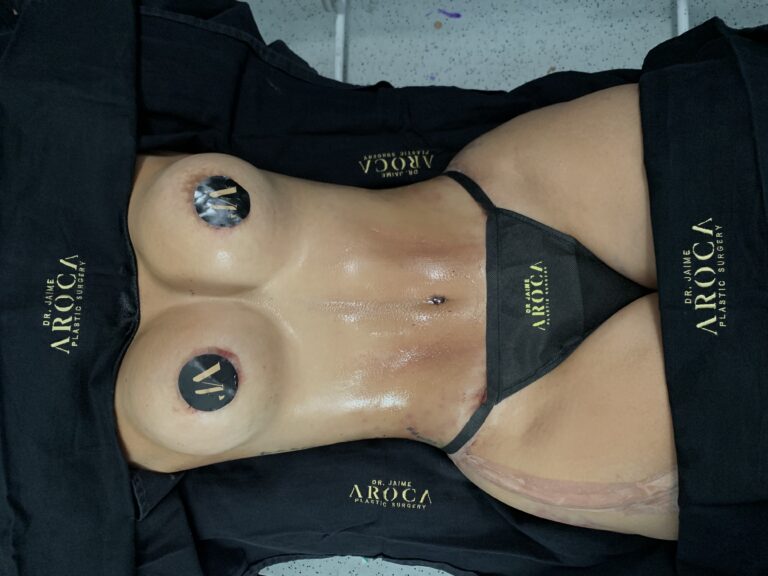
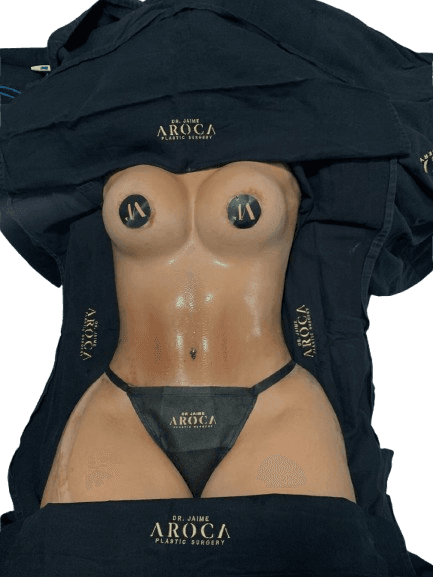
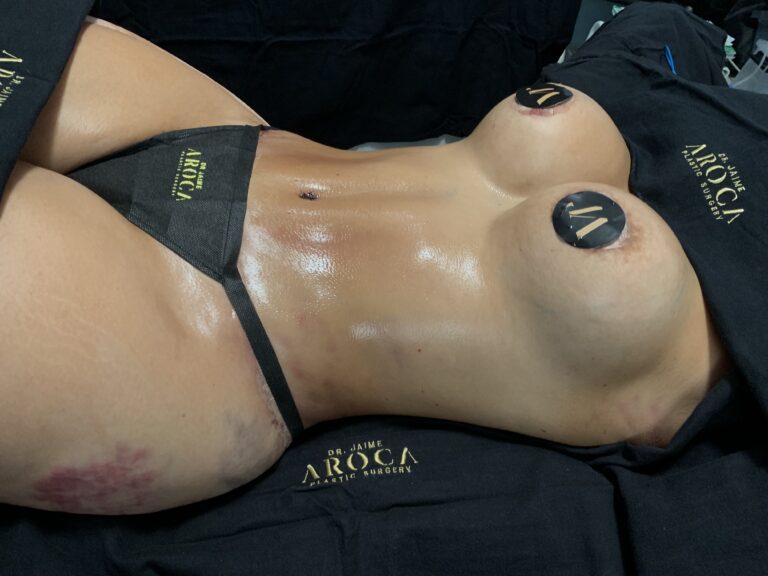
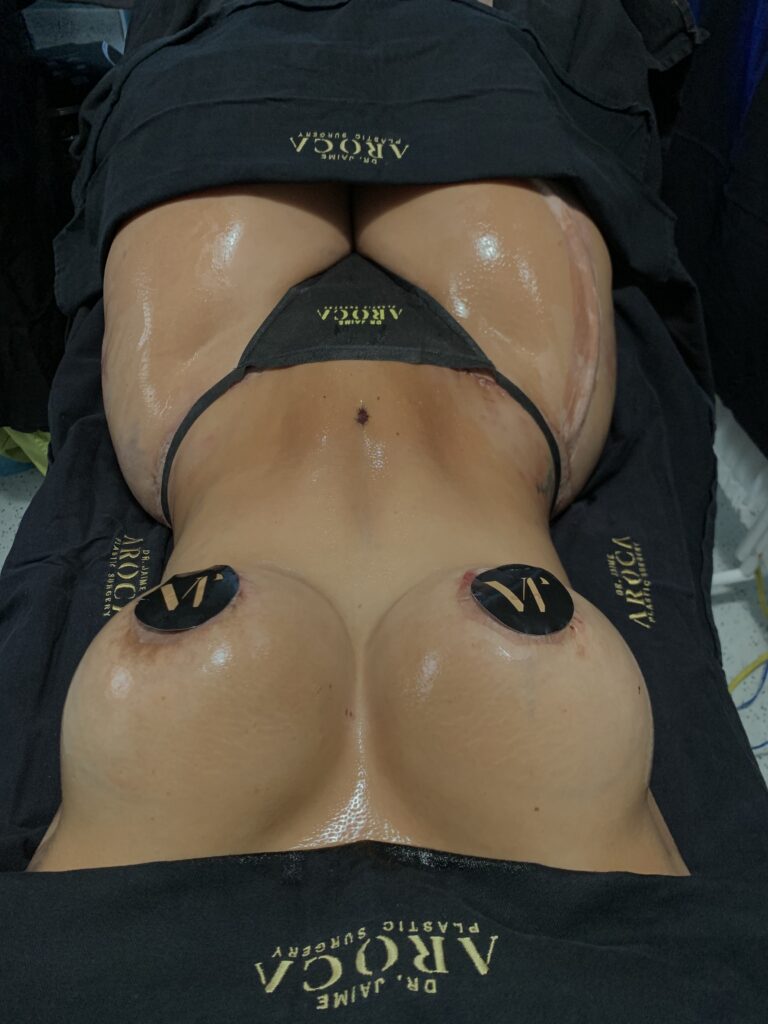
A mommy makeover combines several procedures in a single intervention, abdominoplasty, liposculpture, breast surgery, which means a longer surgical time, greater physical demand, and a recovery that requires discipline.
When I talk about preparation, I mean three levels: clinical (exams, pre-anesthetic evaluation), physical (nutrition, medications, habits), and logistical (your home, your companion, your environment). The three must be ready.
Together with my team, we have created a process where each patient receives a personalized pre-evaluation that covers all these aspects. It is not a checklist: it is a structured conversation about what you need and how we can optimize every detail before entering the operating room.
But there is also an emotional component I want to mention. Modifying your body is an important decision. I am not going to tell you how to feel, but I am going to ensure that when you enter surgery, you do so informed, prepared, and confident in the plan we designed together.
Medical Exams Needed Before a Mommy Makeover
Before any plastic surgery with general anesthesia, we need to confirm that your body is in adequate condition to tolerate the procedure and recover safely.
Laboratory Exams
Basic laboratory tests are mandatory for every patient:
Exam What it evaluates
Complete blood count Detects anemia, infections, or alterations in blood cells
Coagulation profile (PT, PTT, INR) Measures your coagulation capacity and bleeding risk
Blood chemistry (7 elements) Checks glucose, creatinine, urea, and electrolytes
Pregnancy test Rules out pregnancy before the intervention
Blood type and Rh Preparation for any transfusion eventuality
These analyses are not a formality. Each result gives the surgical team concrete information about your current state. A coagulation alteration, for example, can change the entire surgical plan.
Cardiac Evaluation
If you are over 40 years old or have cardiovascular risk factors, an electrocardiogram and a cardiology evaluation are mandatory. These studies ensure your heart can handle the stress of surgery and anesthesia.
Imaging Studies
Depending on your age and family history:
- Chest X-ray: requested at the anesthesiologist’s discretion, especially in patients over 60 or with a respiratory history.
- Mammography: recommended for women over 40-50 or with a family history of breast cancer, especially if breast surgery is included in the plan.
As reference, institutions like Mayo Clinic agree that a thorough preoperative evaluation with appropriate tests is essential before any elective surgical procedure.
Pre-Surgical Evaluation with the Surgeon
The pre-anesthetic evaluation is mandatory before any surgery with general anesthesia. It must be performed within 30 to 45 days prior to the procedure.
In this consultation, the anesthesiologist reviews your complete medical history: allergies, regular medications, previous surgeries, reaction to anesthesia if you have had one before, and any condition that may influence the anesthetic plan.
This evaluation must be completed within 30 to 45 days prior to surgery. Laboratory results must be current and within normal parameters.
But the evaluation does not end there. During the consultation with me, I comprehensively assess your case: body structure, skin quality, degree of diastasis, amount of fat, breast condition, and overall expectations. This is where the specific surgical plan is designed.
For international patients, this process can begin virtually. We coordinate pre-surgical exams in their country of origin and schedule the in-person consultation before the procedure.
Physical Preparation: What to Do Weeks Before
Physical preparation begins weeks before surgery. It is not something you can resolve the day before. The better prepared you arrive, the better your body will respond.
Nutrition and Weight
Your body needs to be nourished to respond well to surgery and heal properly. In the weeks before, I recommend:
- Lean proteins: they are fundamental for tissue repair. Chicken, fish, eggs, legumes.
- Fruits and vegetables: they provide vitamins and antioxidants that strengthen your immune system.
- Hydration: 8 to 10 glasses of water per day. A hydrated body responds better to anesthesia and heals faster.
- Reduce sodium: less salt means less fluid retention in the postoperative period.
- Avoid processed foods: they promote inflammation, which is exactly what you do not need before surgery.
A point that is non-negotiable: you must be at a stable weight, without significant fluctuations for at least 3 to 6 months. An ideal BMI is under 30. Operating on a patient who is still losing or gaining weight compromises the results of both liposculpture and abdominoplasty.
Regular exercise in the weeks before can improve your cardiovascular condition, but do not start intensive routines if you were not already doing them. The goal is to arrive in good condition, not exhausted.
Medications and Supplements
This requires special attention. Between 2 and 4 weeks before surgery, you must suspend:
- Anticoagulants and anti-inflammatories: aspirin, ibuprofen, naproxen. They increase the risk of bleeding during surgery.
- Supplements: vitamin E, omega-3, fish oil, ginkgo biloba, ginseng. They can interfere with coagulation.
- Herbal supplements: some alter the response to anesthesia in unpredictable ways.
Never suspend a prescribed medication on your own. Always consult with your surgical team before making any changes.
Tobacco and Alcohol
This is one of my firmest points. Quitting smoking at least 4 to 6 weeks before surgery is mandatory. Nicotine compromises microcirculation, impairs healing, and significantly increases the risk of necrosis, especially in abdominoplasty where large skin flaps are managed.
Alcohol is also suspended at least 2 weeks before. It increases bleeding during surgery and can interfere with anesthesia and postoperative medications.
Logistical Preparation: Your Home and Your Recovery
A mommy makeover is more demanding than an isolated surgery. Initial recovery requires planning that goes beyond the medical.
Before your surgery, make sure you have the following resolved:
- Rest area prepared: elevated or reclining bed, support pillows to maintain a semi-seated position, accessible nightstand with water and medications.
- Confirmed companion: you need a person to help you for the first 3 to 5 days, minimum. This is not optional.
- Childcare organized: you will not be able to lift weight for 4 to 6 weeks. This includes your children. Plan with family or professional help.
- Meals prepared: have meals ready for the first week. Easy to heat, nutritious, and rich in protein.
- Comfortable clothing: loose, with front opening. Nothing you have to pull over your head or that puts pressure on the abdomen.
- Medications ready: prescribed painkillers and antibiotics, purchased before surgery.
- Compression garment available: your surgical team will tell you which one you need.
If you are coming from outside Colombia, we coordinate stay logistics: apartments, hotels, or recovery houses with all the services you need. The goal is for you to focus only on your recovery.
The Day Before Surgery
The day before your mommy makeover is a moment of calm and final preparation. By this point, you should have everything ready. If something is pending, this is the time to resolve it.
What you need to do:
- Fasting: follow your team’s instructions to the letter about when to stop eating and drinking. Generally, 8 hours of solid fasting and 6 hours of liquids.
- Shower with antibacterial soap: reduces the bacterial load on the skin and decreases the risk of surgical infection.
- Do not apply creams, perfumes, or makeup: the skin must be completely clean.
- Review your final checklist: documents, garment, comfortable clothing, prescribed medications, confirmed companion.
- Rest: try to sleep well. Your body needs to be in the best possible condition to face the surgery.
If you have last-minute questions, this is the time to call the team. Do not keep doubts to yourself.
Frequently Asked Questions About Exams and Preparation for Mommy Makeover
What laboratory exams are needed before a mommy makeover?
The basic exams include complete blood count, coagulation profile (PT, PTT, INR), blood chemistry, pregnancy test, and blood type with Rh. Depending on your age and history, a cardiac evaluation and imaging studies may also be required.
How many weeks before should I quit smoking and suspend supplements for my mommy makeover?
Quitting tobacco is required at least 4 to 6 weeks before; nicotine compromises circulation and healing. Supplements like vitamin E, omega-3, and fish oil should be suspended 2 to 4 weeks before due to their effect on coagulation.
What BMI and weight are needed to be a candidate for a mommy makeover?
The ideal BMI is under 30 and your weight must have remained stable during the last 3 to 6 months. Operating on a body that is still fluctuating compromises liposculpture and abdominoplasty results.
What is the preparation process for international patients traveling to Colombia?
The process begins with virtual consultations where your case is evaluated and questions are answered. Upon approval, pre-surgical exams are coordinated in your country of origin, and in-person evaluation, logistics, and follow-up are scheduled in Barranquilla.
Is it better to have a complete mommy makeover or separate procedures?
It depends on each case. Combining procedures reduces the number of anesthesias and recovery times, and usually results in a more harmonious result. But clinical criteria must always prevail: not all patients can or should combine everything.
What should I prepare at home before mommy makeover surgery?
You need a rest area with an elevated or reclining bed, a confirmed companion for the first 3-5 days, organized childcare, pre-made meals, comfortable front-opening clothing, prescribed medications, and an available compression garment.