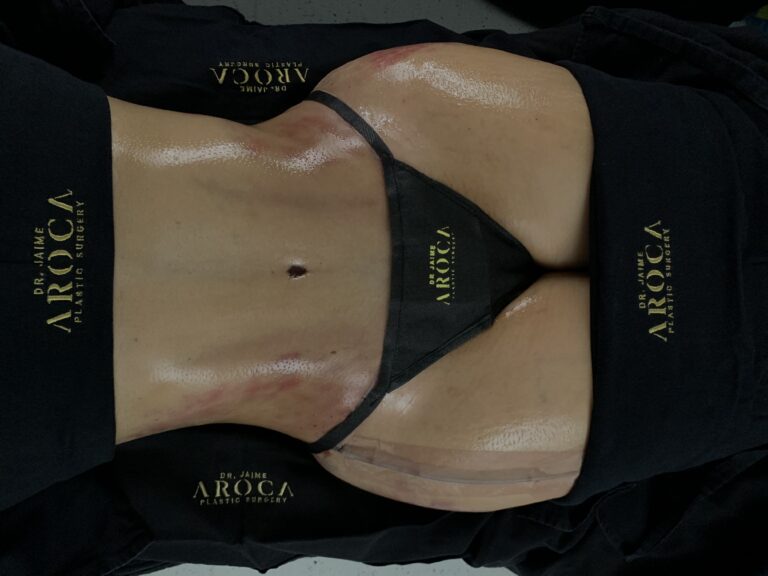

It is one of the questions I hear most often in my office: “Doctor, if I get lipo, will my cellulite go away?” And I completely understand. When someone invests time, money, and trust in a body contouring surgery, they want to resolve everything that bothers them at once. But honesty is part of my job, and the answer is not what many expect.
Liposculpture and cellulite are two topics that are constantly confused on social media, forums, and even in offices where the difference is not properly explained. In this article, I will break down what cellulite really is, why liposuction does not eliminate it, which treatments actually have evidence, and what you can expect if you have already had surgery or are considering it.
Key Points
What Is Cellulite and Why Does It Appear?
Before talking about surgery, I need you to understand what cellulite is at a structural level. Without that, any decision starts from the wrong foundation.
How Cellulite Forms: Fibrous Bands, Fat, and Skin
Cellulite is not simply “accumulated fat.” It is an architectural problem between the skin, superficial fat, and structures called fibrous bands (or fibrous septa). These bands connect the skin to deeper tissues. When they tighten or shorten, they pull the skin downward and create those dimples we know as “orange peel skin.”
The fat between those bands pushes upward, while the bands pull downward. The visible result is that irregular texture. It is a superficial phenomenon, very different from localized fat that accumulates in deeper layers.
Contributing Factors: Genetics, Age, Hormones, and Fat Distribution
Genetics is the main factor. It is estimated that between 80% and 90% of women have some degree of cellulite after puberty. In other words, it is not a “disease” or a defect: it is an extremely common anatomical characteristic.
Other contributing factors:
- Hormones: estrogens affect fat distribution and connective tissue structure.
- Age: over time, the skin loses collagen and elasticity, making dimples more visible.
- Fat distribution: thighs, buttocks, and abdomen are the most common areas.
- Lifestyle: sedentary behavior, poor hydration, and inflammatory diet can accentuate it, although they are not the root cause.
Cellulite Grades: Mild, Moderate, and Severe
Clinically, it is classified as follows:
- Grade 1 (mild): dimples are only visible when pinching the skin or contracting the muscle.
- Grade 2 (moderate): visible when standing, but not when lying down.
- Grade 3 (severe): visible in any position, with marked irregularities and highly altered texture.
This classification matters because not all grades respond equally to available treatments.
Common Myths About Cellulite
There is a lot of misinformation circulating. Let me clarify the most common ones:
- “It only affects overweight people”: False. Thin and athletic women also have it.
- “Diet and exercise eliminate it completely”: They can improve the appearance, but they do not eliminate the fibrous bands.
- “Anti-cellulite creams remove it”: There is no solid scientific evidence that any topical cream eliminates cellulite.
- “Liposuction solves it”: That is precisely the myth I am most interested in debunking.
Does Liposculpture Eliminate Cellulite? The Honest Answer
I am not going to sell you fantasies. Liposculpture is not designed to treat cellulite. They are structurally different problems.
Why Liposuction Does NOT Directly Eliminate Cellulite
Liposuction removes subcutaneous fat, which is in deeper layers. Cellulite, on the other hand, originates in the superficial layer: hypodermic fat trapped between fibrous bands that pull on the skin.
When I perform liposculpture, I work on localized fat deposits, those “love handles” that do not go away with diet or exercise. But the cannula does not cut the fibrous bands or modify the superficial structure that produces the dimples. They are different anatomical planes.
Can Cellulite Get Worse After Liposuction?
Yes, and it is something I must explain clearly. In some cases, by removing fat that maintained a certain tension under the skin, the skin can loosen and make pre-existing dimples more visible. This occurs especially in patients with inelastic skin or with moderate to severe cellulite before surgery.
It does not mean that liposuction “causes” cellulite. It means that by changing the volume distribution, the surface texture can become more apparent. That is why the prior evaluation is so important: I need to see your skin quality, your cellulite grade, and your elasticity before defining a plan.
The Difference Between Removing Fat and Treating Cellulite
This is the key distinction:
- Localized fat: accumulation of adipocytes in deep layers. It is treated with liposuction or liposculpture.
- Cellulite: a problem of fibrous bands and superficial fat that alters skin texture. It requires specific treatments that act on those bands.
These are two problems that can coexist in the same area, but each one requires a different approach.
Realistic Expectations: What Liposculpture CAN Improve
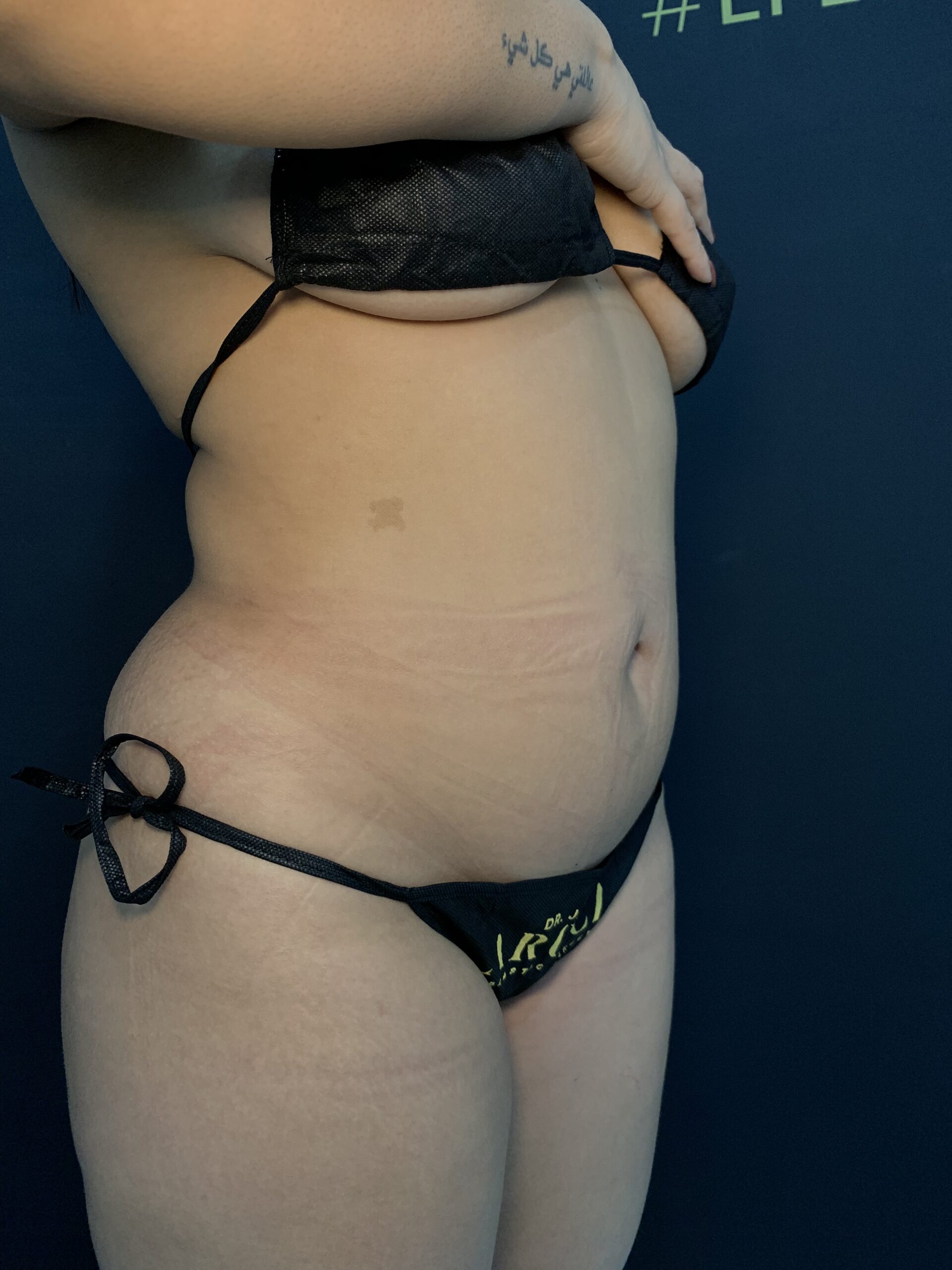
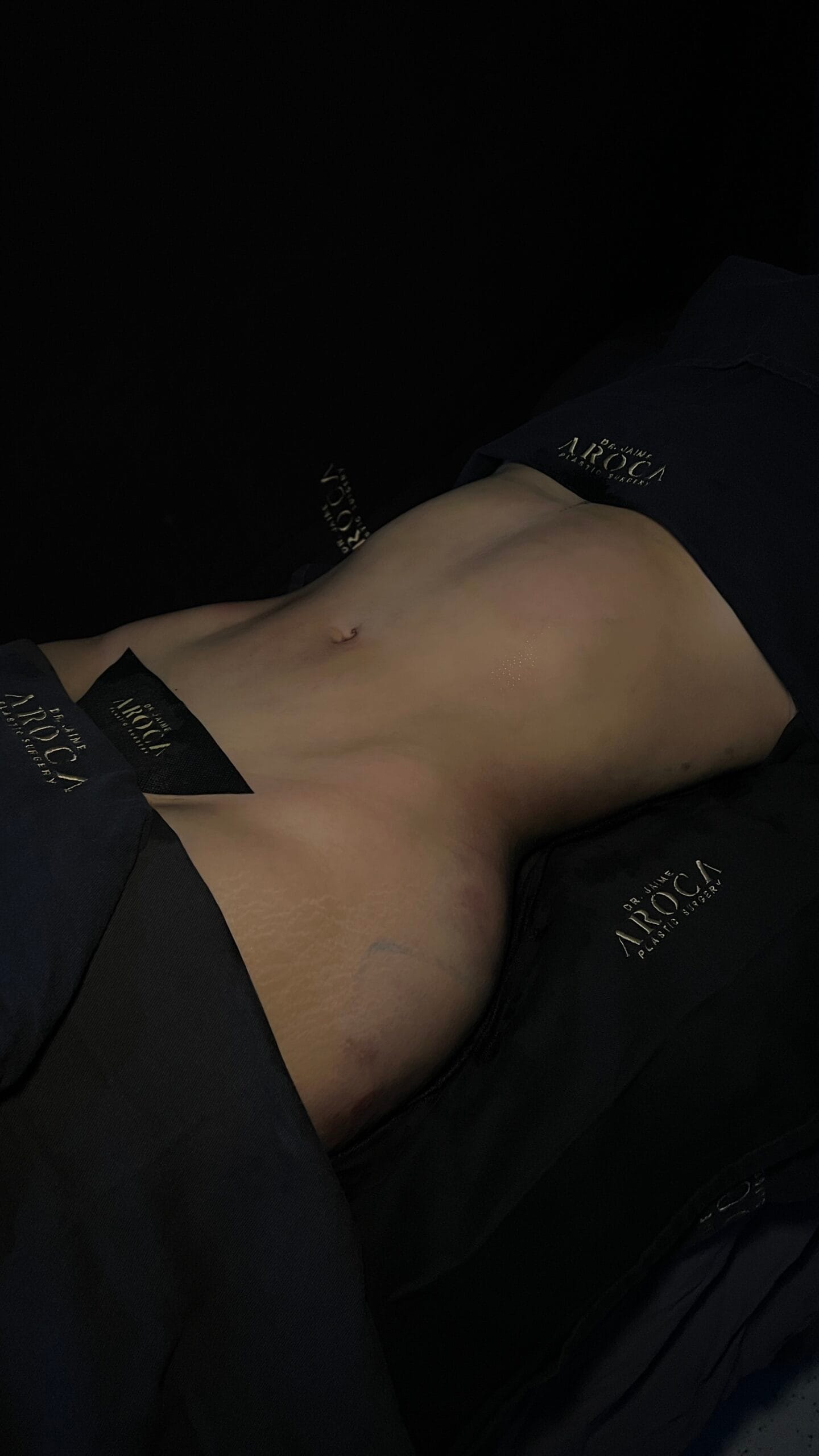
In patients with mild cellulite and good skin elasticity, volume reduction can visually diminish the appearance of cellulite. But this is not predictable or guaranteed. What liposculpture does do is improve the contour, reduce volume, and define specific areas. That has a real impact on how the body looks and feels, even if the surface texture does not change.
Coming from Abroad? We Are with You Every Step
We offer medical tourism packages with full support: virtual consultation, surgery at a certified clinic, and remote follow-up after you return home.
Treatments That DO Work to Reduce Cellulite
If your main goal is to improve cellulite, there are options with clinical evidence. None eliminates it 100% permanently, but several offer significant improvements.
Treatments with the Best Scientific Evidence
The most studied treatments are those that act directly on the fibrous bands, which are the structural cause of the problem. Not on fat, not on the surface: on the bands.
Subcision: Cutting the Fibrous Bands That Cause Dimples
Subcision is a minimally invasive procedure where individual fibrous bands pulling on the skin are cut. Systems such as Aveli or Cellfina use this principle. Results can last several years and usually require only one session. It is probably the approach with the strongest clinical support for moderate cellulite.
Laser Treatments for Cellulite
Subcutaneous laser can break fibrous bands and stimulate collagen production. This improves both dimples and overall skin firmness in the treated area. It is not the same as a superficial laser for “rejuvenation” – we are talking about energy applied beneath the skin, with a different mechanism of action.
Radiofrequency and Acoustic Waves
Radiofrequency stimulates collagen and can improve skin texture, although results are temporary and require maintenance sessions. Shock waves (acoustic therapy) also show gradual improvement by acting on fibrous bands, with the advantage of being completely non-invasive.
Treatments That Do NOT Work: What Science Says
It is best to be direct:
- Anti-cellulite creams: there is no evidence of real efficacy on the structure of cellulite.
- Massages alone: they can improve circulation and temporarily reduce fluid retention, but they do not modify fibrous bands.
- Fat-burning supplements: cellulite is not a problem of excess fat, so “burning fat” does not solve it.
The best results come from combining specific treatments with healthy habits. Not from looking for magic solutions.
What Happens with Cellulite After Liposculpture?
If you have already had surgery or are about to, this is what you need to know about the evolution of skin texture.
Week-by-Week Progress: Swelling, Irregularities, and Final Results
During the first weeks after liposculpture, there is significant inflammation. The skin may look irregular, with harder or softer areas. This is normal and does not reflect the final result.
Swelling temporarily distorts the surface texture. During this period, it is impossible to evaluate whether cellulite improved, worsened, or stayed the same. The body needs time to reorganize.
When Is the Real Improvement in Skin Texture Visible?
In general, the contour begins to define itself between the second and third month, but skin texture can continue evolving for up to six months or more. Skin retraction is a gradual process that depends on skin quality, age, and postoperative care.
If I used skin retraction technologies during surgery, such as J-Plasma or Tensamax, these are designed to improve skin laxity and stimulate collagen, not specifically to treat cellulite. But by improving overall skin firmness, they can have an indirect effect on how texture is perceived.
Postoperative Massages and Lymphatic Drainage: Their Role in Skin Texture
Lymphatic drainage massages are part of the postoperative protocol. They help reduce inflammation, mobilize retained fluids, and smooth out irregularities. This contributes to the skin settling more evenly, although they do not eliminate underlying cellulite. They are one piece of the puzzle, not the complete solution.
Care and Habits to Minimize Cellulite After Surgery
After liposculpture, there are things you can do to optimize your skin appearance. I do not promise they will eliminate cellulite, but they do make a difference.
Anti-Inflammatory Diet and Hydration
A diet rich in fruits, vegetables, lean protein, and healthy fats helps reduce systemic inflammation. This promotes recovery and skin quality. Adequate hydration, at least 2 liters of water per day, helps maintain skin elasticity.
Avoiding excess processed sugar, alcohol, and ultra-processed foods is not a whim: chronic inflammation deteriorates collagen and can accentuate cellulite over time.
Exercise and Muscle Toning to Improve Appearance
Regular exercise, especially strength training, improves muscle tone beneath the skin. A firmer muscle creates a smoother “base” that can visually reduce the appearance of dimples. It does not eliminate fibrous bands, but it changes the way the skin rests on the underlying tissue.
Long-Term Maintenance Treatments
For patients who want to optimize results, periodic radiofrequency or acoustic therapy sessions can help maintain skin firmness. The ideal plan is defined on a case-by-case basis, depending on the cellulite grade and individual response.
Are the Results Permanent or Can Cellulite Return?
Cellulite has no definitive cure. The factors that produce it – genetics, hormones, connective tissue structure – remain present after any treatment. What is achieved is improvement, not permanent elimination. With natural aging, dimples can become more visible again. That is why maintenance matters.
A Safe Process from Start to Finish
“Every surgery begins long before the operating room. Proper preparation and a rigorous assessment are the foundation of a successful and safe outcome.”


Am I a Candidate for Liposculpture If I Have Cellulite?
This is the question that really matters. And the answer, as with almost everything in plastic surgery, is: it depends.
Personalized Evaluation: Every Case Is Different
In my practice, every patient undergoes an individual assessment where I evaluate skin quality, fat quantity and distribution, cellulite grade, skin elasticity, and realistic goals. I do not operate on just anyone. If I detect that liposculpture could visibly worsen cellulite in a particular case, I say so clearly.
The in-person consultation is where these questions are resolved. I cannot determine candidacy through photos or text.
Which Cellulite Grades Respond Best to Combined Treatment
Patients with grade 1 cellulite (mild) and good skin elasticity tend to achieve better overall results with liposculpture, because volume reduction can improve overall appearance without compromising texture. For grade 2 cellulite, it is possible to combine liposculpture with complementary retraction or subcision treatments for a more complete result.
When Liposculpture Is NOT the Best Option for Your Cellulite
If your main concern is orange peel skin texture and not so much volume, liposculpture is probably not your best path. In those cases, it is better to explore specific cellulite treatments before considering surgery.
Also, if you have severe cellulite with inelastic skin, liposuction could make the dimples more visible. That does not mean there are no options, it means the plan needs to be different.
What I always tell my patients: the decision is made with information, not with illusions. If you want to know what is possible in your specific case, the first step is an in-person consultation where I can evaluate your anatomy, your expectations, and design a plan that makes sense for you.
Frequently Asked Questions About Liposculpture and Cellulite
We answer the most common questions from our patients to help you make an informed and safe decision.