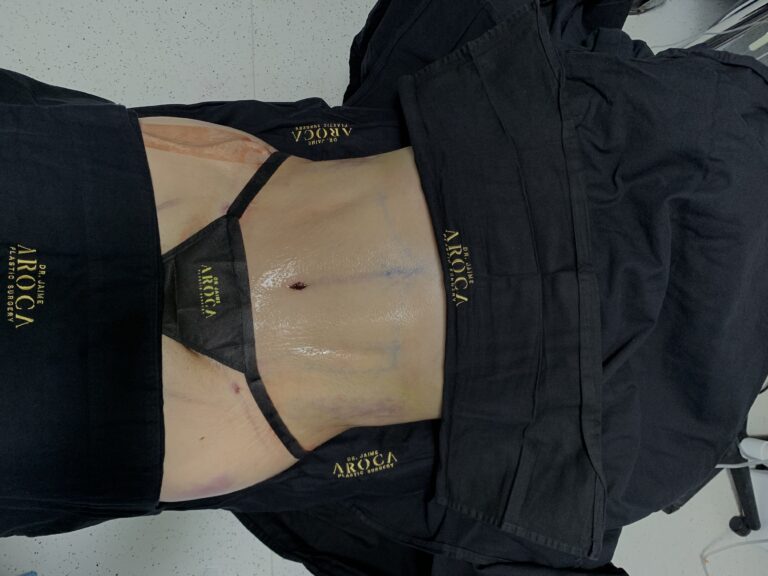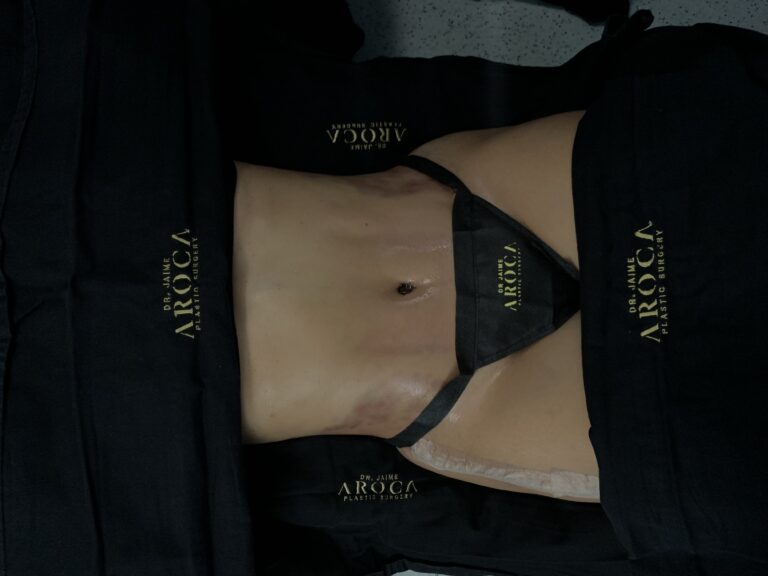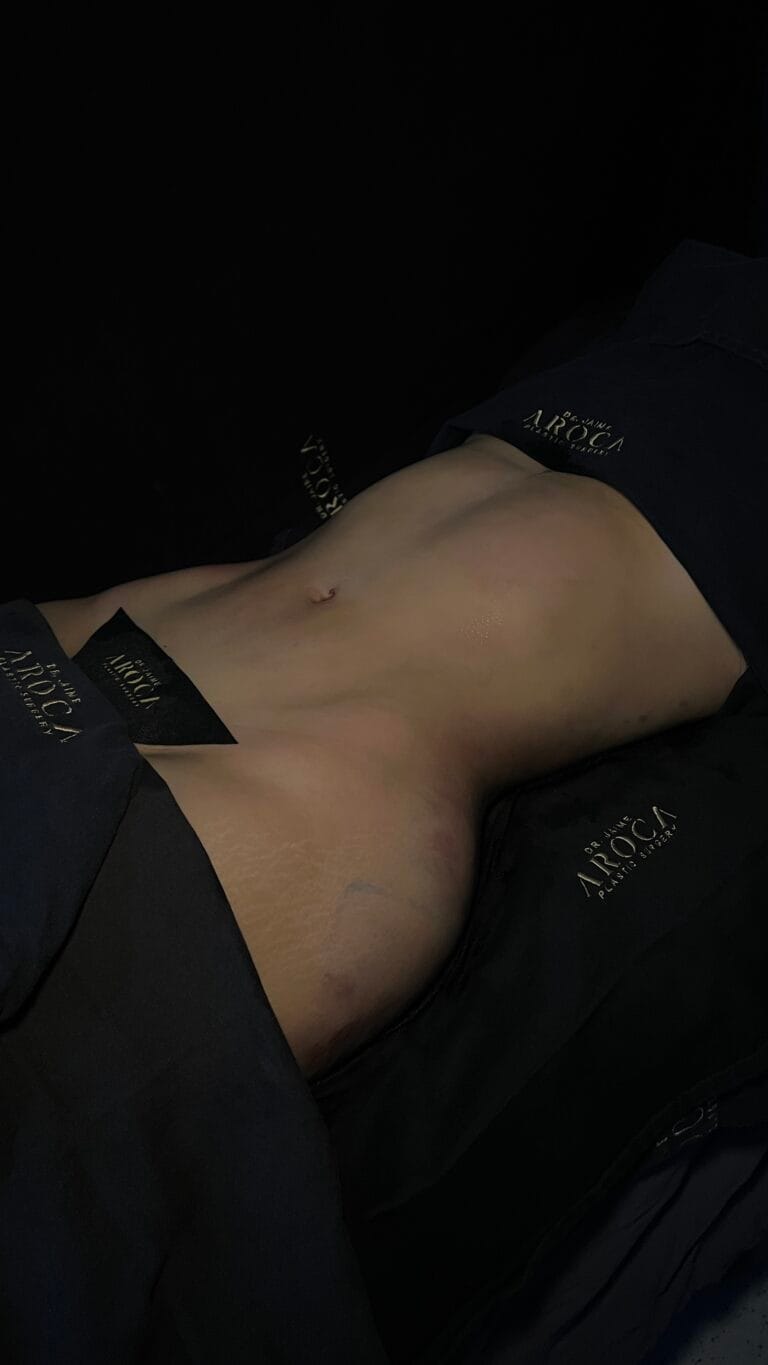
If you are considering liposculpture, you have probably already researched techniques, seen photos of results, and compared surgeons. But there is one step that many people underestimate, and which, in my experience, makes the difference between an excellent result and a merely acceptable one: preoperative preparation for liposculpture.
In my practice, I give preoperative preparation as much importance as the surgical procedure itself. A good plastic surgeon is not only interested in what happens inside the operating room; they are interested in preparing your health and your body for the surgery. In this article, I will explain, step by step, what it means to prepare well: from medical tests to organizing your home, including diet, habits, and realistic expectations.
Key Points
Why is preoperative preparation for liposculpture so important?
Liposculpture is not simply about fat removal. It is a procedure that combines extraction, sculpting, skin retraction, and, in many cases, fat transfer. For each phase to work well, your body needs to be in the best possible condition.
When a patient arrives prepared, with up-to-date tests, adjusted habits, and clear expectations, the procedure flows better, recovery is more predictable, and the results are of higher quality. When not, the risks of bleeding, poor healing, and irregularities increase.
The difference between preparing well and not preparing
I see it frequently: two patients with similar body characteristics can have very different results. The difference almost always lies in preparation and postoperative discipline. Someone who stopped smoking on time, arrived with complete tests, adjusted their diet, and organized their recovery at home has a real advantage. It’s not magic. It’s biology.
A well-prepared body responds better to anesthesia, bleeds less, heals faster, and tolerates postoperative inflammation better.
Liposculpture vs. conventional liposuction preparation: are there differences?
The basic preparation is similar, but liposculpture has additional demands. By including techniques such as abdominal etching, Lipo HD, or fat transfer to the buttocks, the procedure is longer and more detailed. This means your body needs a greater energy reserve, better nutritional status, and optimal hydration.
In my ArDef Contour technique, for example, I combine lipolysis with vibrolipolysis, sculpting with muscle definition, and skin retraction with J-Plasma. Each step requires tissues to respond appropriately. And that starts weeks before surgery, not the day before.
Medical evaluation and preoperative tests
Before any procedure, I need to know your complete health status. It is not a bureaucratic formality; it is a tool for making safe decisions.
Mandatory laboratory tests
The basic tests I request include:
- Complete blood count
- Coagulation times (PT, PTT)
- Serum chemistry (glucose, creatinine, BUN)
- Liver and kidney function
- Lipid profile (as applicable)
These should be performed between 2 and 4 weeks before surgery. This allows time to identify any alterations and correct them before scheduling the date.
Cardiovascular and pre-anesthetic evaluation
If you are over 40 or have any cardiovascular risk factors, an electrocardiogram is essential. A pre-anesthetic evaluation with the anesthesiologist may also be required, who will review your history, allergies, and previous reactions to medications.
This is not optional. General anesthesia requires a heart and lungs that respond well.
Review of your medical history: what you should tell your surgeon
Everything. Previous surgeries, current medications (including natural supplements), chronic diseases, family history, allergies. If you take anticoagulants, aspirin, ibuprofen, vitamin E, omega-3, or fish oil, I need to know because these increase the risk of bleeding and must be discontinued 7 to 14 days prior according to ASPS guidelines.
I also need to know if you use SGLT-2 inhibitors for diabetes, as they must be discontinued 3 to 4 days prior due to the risk of complications.
Do not hide information. What you don’t tell me can become a risk in the operating room.
A Safe Process from Start to Finish
“Every surgery begins long before the operating room. Proper preparation and a rigorous assessment are the foundation of a successful and safe result.”


Body weight and diet before liposculpture
Do I need to be at my ideal weight before surgery?
You don’t need to be at a “perfect” weight, but you do need to be at a stable weight close to what you can maintain afterward. Liposculpture is not a treatment for obesity. It removes localized fat and sculpts, but if you gain significant weight afterward, the result will be altered.
What I’m looking for is for you to arrive at your best reasonable version. I’m not asking you to lose 20 kilos, but I do ask that your weight be consistent for at least the last few weeks.
Recommended diet plan weeks before surgery
A diet rich in protein, fruits, vegetables, and healthy fats prepares your body for surgery and recovery. Protein is particularly important because it supports healing and tissue repair.
Reduce ultra-processed foods, excess sodium, and refined sugars. It’s not about extreme dieting; that would be counterproductive. It’s about nourishing your body.
Hydration: why drinking enough water is key
A well-hydrated body responds better to anesthesia, maintains more stable blood pressure, and heals more efficiently. Aim to drink between 2 and 2.5 liters of water daily in the weeks leading up to surgery. It’s a simple adjustment that has a real impact.
Foods to avoid before surgery
There are foods and supplements that increase the risk of bleeding or interfere with anesthesia:
- Garlic in large quantities
- Concentrated ginger
- Vitamin E and omega-3 supplements
- Alcohol (I’ll address this later)
- Excessive green tea
Discontinue them at least two weeks prior. During the evaluation, I will precisely indicate what applies to your case.
Stop smoking and avoid alcohol
This is not a suggestion. It is a non-negotiable rule in my practice.
Tobacco constricts blood vessels, reduces oxygen supply to tissues, and seriously compromises healing. A patient who smokes has a higher risk of skin necrosis, infection, and irregular results. I do not operate on anyone who has not stopped smoking sufficiently in advance.
Alcohol: discontinue at least 2 weeks before surgery
Alcohol alters clotting times, dehydrates tissues, and can interact with anesthetic medications. Complete cessation must occur at least 14 days before the procedure. And no, a “small drink” is not innocent in this context.
Impact of tobacco and alcohol on healing and results
When I talk about risks, I am not exaggerating. Clinical evidence shows that tobacco increases the incidence of complications in surgeries involving skin retraction and fat transfer. In procedures like abdominal etching or Lipo HD, where the precision of sculpting depends on how your tissues respond, smoking is directly incompatible with a good result.
Alcohol, for its part, increases intraoperative bleeding and can prolong postoperative inflammation. Both habits must be discontinued. No exceptions.
Preparation timeline: week by week
To leave nothing to chance, I organize the preparation into clear phases. This timeline provides a general guide; I will adjust the specific details during your consultation.
4 weeks before: tests, quit smoking, adjust medications
- Undergo your laboratory tests and cardiovascular evaluation.
- Completely stop smoking if you haven’t already.
- Consult with me about medications you need to discontinue or adjust (anticoagulants, anti-inflammatories, supplements).
- Begin optimizing your diet and hydration.
2 weeks before: diet, shopping, organizing your recovery
- Discontinue alcohol, vitamin E, omega-3, and any indicated supplements.
- Prepare your home for recovery: comfortable clothes, extra pillows, ready-to-eat meals.
- Confirm your companion for the first few days.
- If you are an international patient, confirm flights, accommodation, and documents.
1 week before: confirm appointment, prepare your home
- Confirm the date, time, and location of the surgery with my team.
- Get your home ready: everything you will need should be within easy reach.
- Avoid intense sun exposure.
- Maintain gentle physical activity: nothing strenuous.
The night before: fasting, hygiene, rest
- Fast according to instructions: clear liquids up to 2 hours before, light food up to 6 hours before, fatty foods or meat up to 8 hours before.
- Shower with antiseptic soap if instructed.
- Try to get good rest. Sleep helps your body respond better to anesthesia.
- Do not apply creams, perfumes, or makeup.
On the day of surgery: what to bring, what to wear, what time to arrive
- Loose-fitting clothing, easy to put on and take off (front buttons, no complicated zippers).
- Identification documents and signed consent form.
- Arrive at the indicated time: I generally ask you to be there in advance for pre-anesthetic preparation.
- Do not wear jewelry, piercings, or nail polish (we need to monitor oxygenation).
Preparing your home for recovery
Recovery begins at home. And if your home isn’t ready, everything becomes complicated.
Comfortable space for resting with everything within reach
You need a place where you can lie down comfortably, with pillows that allow you to change position effortlessly. Have on hand: water, medications, cell phone charger, remote control. It sounds basic, but bending over or stretching in the first few days is not a good idea.
Ensure help from a companion for the first few days
For the first 2 to 3 days, you need someone with you. It’s not optional. This person will help you move, take your medications on time, and, most importantly, identify any warning signs.
Organize your time: recommended days of work leave
It depends on the type of liposculpture and your job. For office work, I generally recommend between 7 and 14 days. For jobs requiring physical exertion, it may be longer. Plan this in advance so your recovery is not rushed by the need to return to work.
Emotional preparation and realistic expectations
This point is as important as blood tests. And I mean it.
Understanding the process: swelling, bruising, and patience
After liposculpture, you will be swollen. You will have bruises. You will not see the final result in the mirror the first week, nor the second. The result is defined over time, with postoperative treatment and discipline. If you are not emotionally prepared for this process, anxiety can become a real problem.
I won’t sell you fantasies: the first few days are uncomfortable. But if you understand what’s coming, you’ll manage it much better.
Before photos: why they are important
I take standardized clinical photos before surgery. They are your objective reference. When you are in week 3, swollen and doubting, those photos will remind you where you started. It’s a powerful tool for maintaining perspective.
Questions you should ask your surgeon during the preliminary consultation
The preliminary consultation is not a formality. It’s your opportunity to resolve real doubts. Some questions I recommend:
- Am I a candidate for this specific procedure?
- What realistic results can I expect with my body type?
- What are the risks in my particular case?
- What happens if I am not satisfied?
- What is the postoperative follow-up protocol?
The decision to undergo surgery should be made out of self-love and informed choice, not from external pressure or unrealistic social media images.
Coming from Abroad? We Accompany You Throughout
We offer medical tourism packages with full support: virtual consultation, surgery in an accredited clinic, and remote follow-up after your return home.
Special preparation for international patients
A significant portion of my patients travel to Colombia for their surgery. If this is your case, preparation requires some additional steps.
How many days before should you travel to Colombia?
I recommend arriving at least 2 to 3 days before the scheduled date. This allows you to acclimatize, rest from the trip, undergo the final in-person evaluation, and complete any pending tests. It is not a good idea to operate on someone who has just gotten off a plane with jet lag and dehydration.
Medical documents you should bring
Bring a copy of your recent laboratory tests, your relevant medical history (previous surgeries, allergies, medications), and any imaging studies if requested. You can send all of this digitally beforehand, but having physical copies is good practice.
Also, verify your passport, entry requirements for Colombia, and your travel insurance policy. These logistical details are part of the preparation.
Coordination with your surgeon remotely: the virtual consultation
The virtual consultation is the first step for international patients. There, I evaluate your case, review photos, discuss your goals, and determine if you are a candidate for the procedure. It is also the time to resolve logistical questions: how many days you need, where to stay, how to organize your recovery in the city.
This remote coordination process is fundamental so that when you arrive in Barranquilla, everything is planned, and there are no improvisations. My team will support you every step of the way.
If you are considering liposculpture and want to do things right from the start, the first step is a consultation. There, we define if you are a candidate, which procedure suits your case, and how to prepare safely. You can schedule your consultation, in-person or virtual, through drjaimearoca.com.
Frequently Asked Questions about Preoperative Preparation for Liposculpture
We address the most common questions from our patients to help you make an informed and safe decision.