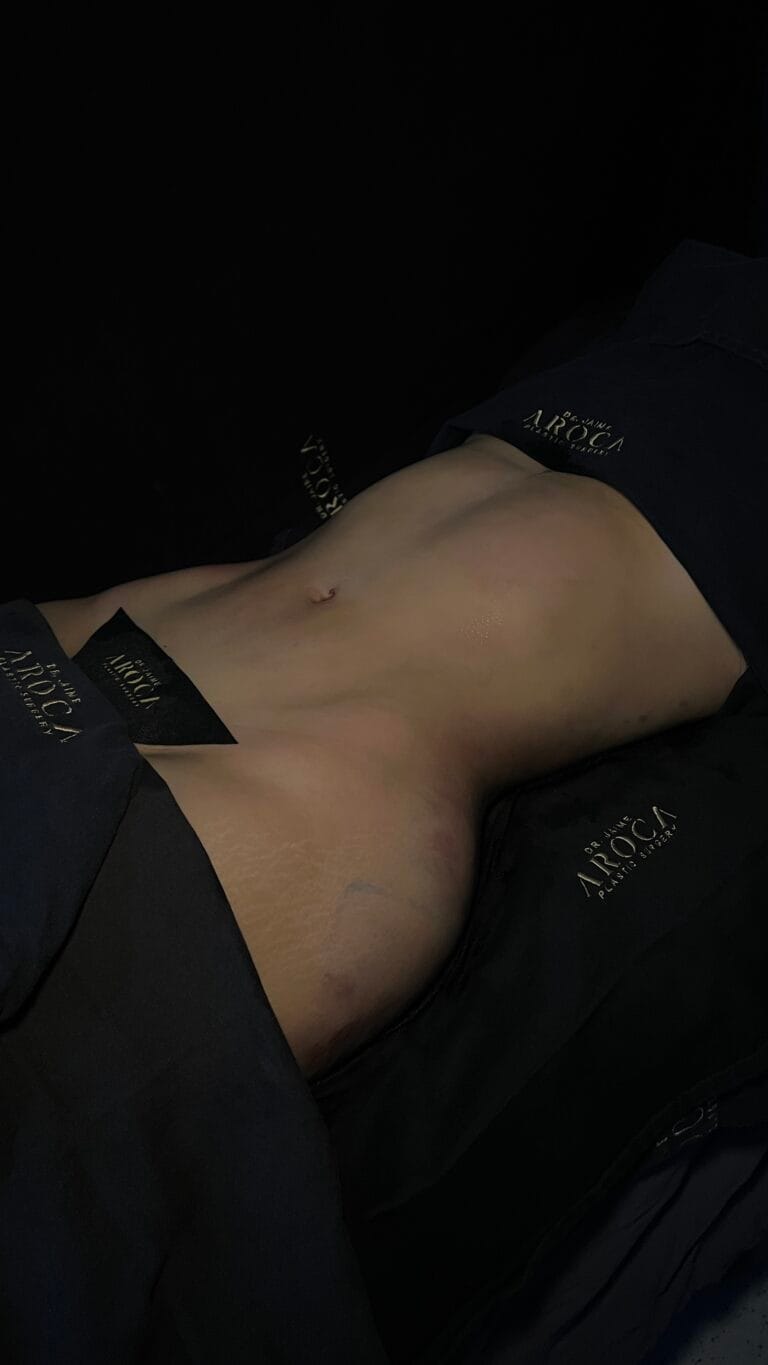

If you are reading this, you have probably already been through the stage of trying diet, exercise, compression garments, and everything else people recommended. And your abdomen still does not look or feel like it did before pregnancy. You are not alone in this, and it is not a lack of discipline.
Pregnancy transforms the abdominal wall in ways that no training plan can fully reverse. Diastasis, excess skin, deep stretch marks, umbilical hernias… these are structural changes, not cosmetic ones. Tummy tuck after pregnancy exists precisely for that: to reconstruct what motherhood changed inside and out. In this article, I explain what the procedure involves, when the right time is, what types exist based on your case, and what recovery really looks like when you are a mom.
Key Takeaways
What Is a Tummy Tuck After Pregnancy?
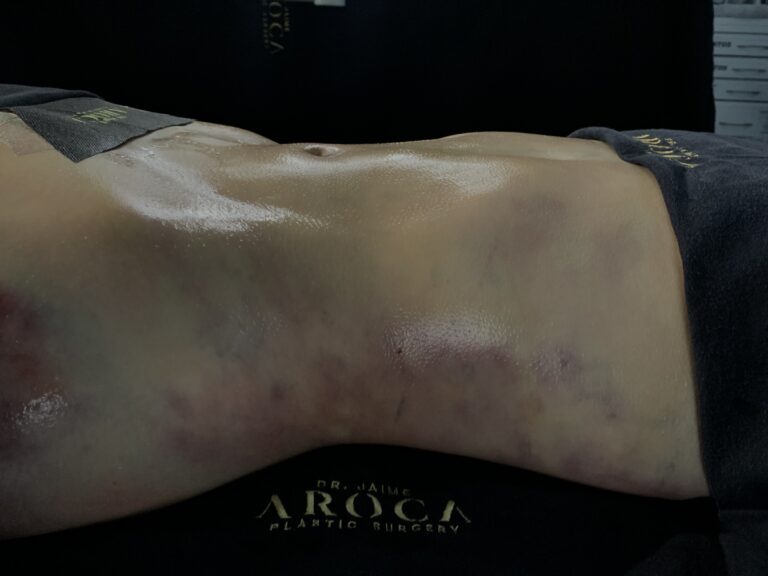
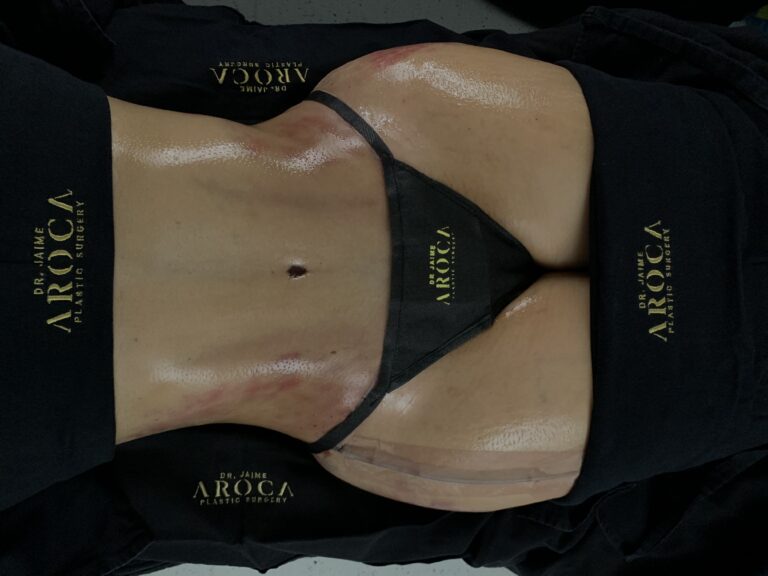
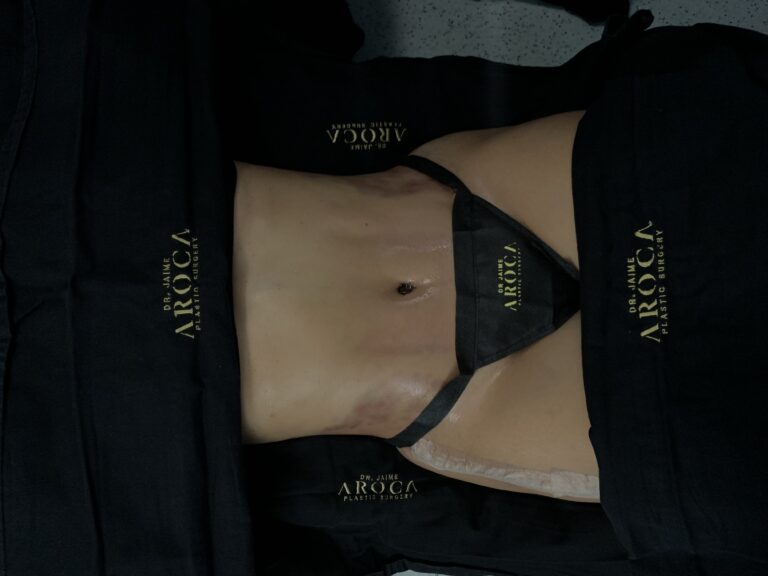
Tummy tuck after pregnancy is not simply “removing excess skin.” It is a comprehensive reconstruction of the abdominal wall: separated muscles are repaired, excess skin with stretch marks is removed, umbilical hernias are corrected, and the contour is redefined. In my practice, I use the ArTummyTech technique, which ranges from localized fat extraction to abdominal etching and the use of J-Plasma for skin retraction.
How Pregnancy Transforms Your Abdomen: Skin, Muscles, and Fat
During pregnancy, especially in multiple or twin pregnancies, the abdominal wall stretches beyond its natural recovery capacity. The rectus abdominis muscles separate, the skin loses elasticity, abundant stretch marks appear, and in many cases umbilical hernias form. The result: a protruding abdomen that does not match the rest of the body. I have treated slim, athletic patients with low body fat who cannot achieve a flat abdomen no matter how much they train. The problem is not fat. It is that the muscular structure can no longer contain the abdominal cavity.
Diastasis Recti: The Muscle Separation That Exercise Cannot Fix
Diastasis is the separation of the rectus abdominis muscles that occurs when the uterus pushes against the abdominal wall for months. In moderate to severe cases, this separation does not close on its own. A 3-year follow-up published in PubMed showed that patients with surgical diastasis repair reported an 82.3% reduction in their disability index, with no recurrences. No hypopressive exercise achieves that when the separation is significant.
Why Are Diet and Exercise Not Enough?
Because we are talking about structural damage, not accumulated fat. Stretched skin with deep stretch marks does not retract with cardio. Separated muscles do not “stick back together” with crunches. And umbilical hernias require surgical repair. The tummy tuck addresses all of this in a single surgical session: muscle plication, skin resection, hernia correction, and contour redefinition.
When Is the Right Time for Surgery?
This is one of the questions I get asked most often. And the answer is not the same for everyone.
Waiting Period After Your Last Pregnancy
Clinical sources recommend waiting between 6 and 12 months after delivery or C-section. The main reason: uterine involution, the process by which the uterus returns to its original size, can take up to 6 months to complete. Operating before that time means working on a body that is still changing, which compromises the precision of the result.
Breastfeeding: Why You Should Wait Until It Ends
Breastfeeding generates hormonal changes that affect fluid retention, breast volume, and fat distribution. If you plan to combine the tummy tuck with breast surgery, something common in the postpartum context, it is important that the body has stabilized these changes. Additionally, certain postoperative medications are not compatible with breastfeeding.
Stable Weight: The Most Important Requirement
You need to be close to your ideal weight and keep it stable for at least 3 to 6 months before surgery. Not because the tummy tuck is only for thin women, we already debunked that myth, but because operating on a fluctuating weight produces unpredictable results. Stability allows for precise planning of how much skin to resect and how to redefine the contour.
Planning More Children? Why You Should Wait
It is recommended to complete family planning before surgery. A subsequent pregnancy can reverse the muscle plication and re-stretch the repaired skin. Is it possible to get pregnant after a tummy tuck? Yes, there are documented cases in the literature without serious complications, but the aesthetic results are compromised. My recommendation: if there are plans for more children, it is better to wait.
¿Lista para transformar tu silueta con resultados naturales y duraderos?
La abdominoplastia después del embarazo no es simplemente “quitar piel sobrante”. Es una reconstrucción integral de la pared abdominal: se reparan músculos separados, se retira el exceso de piel con estrías, se corrigen hernias umbilicales y se redefine el contorno.
Types of Postpartum Tummy Tuck Based on Your Case
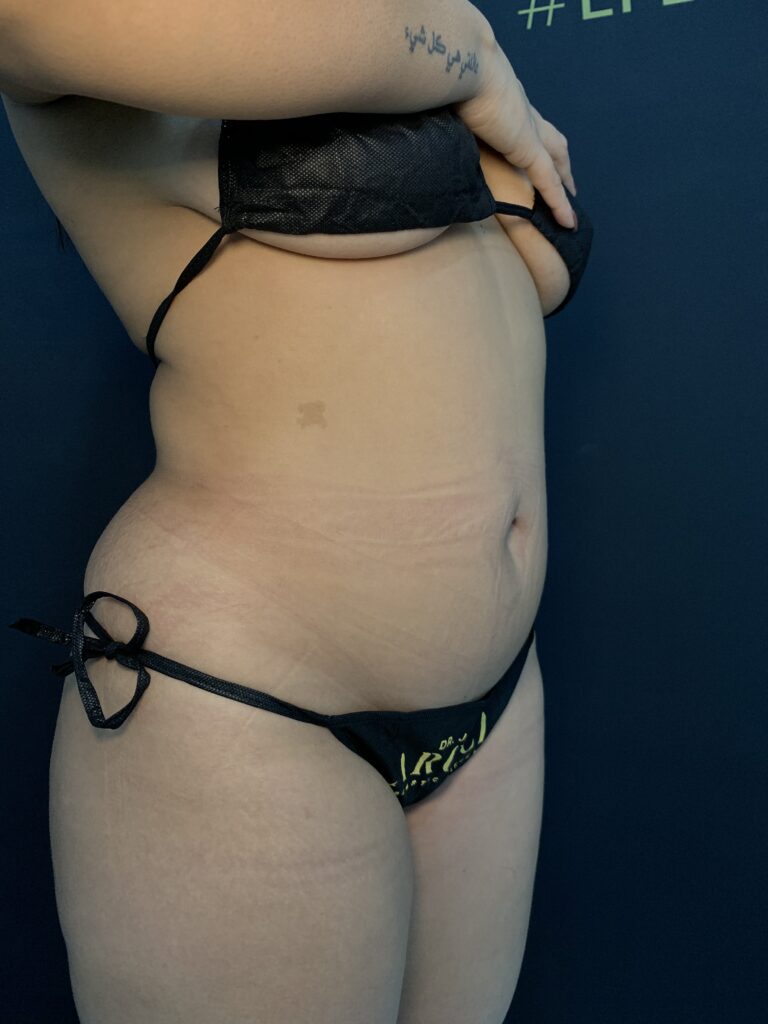
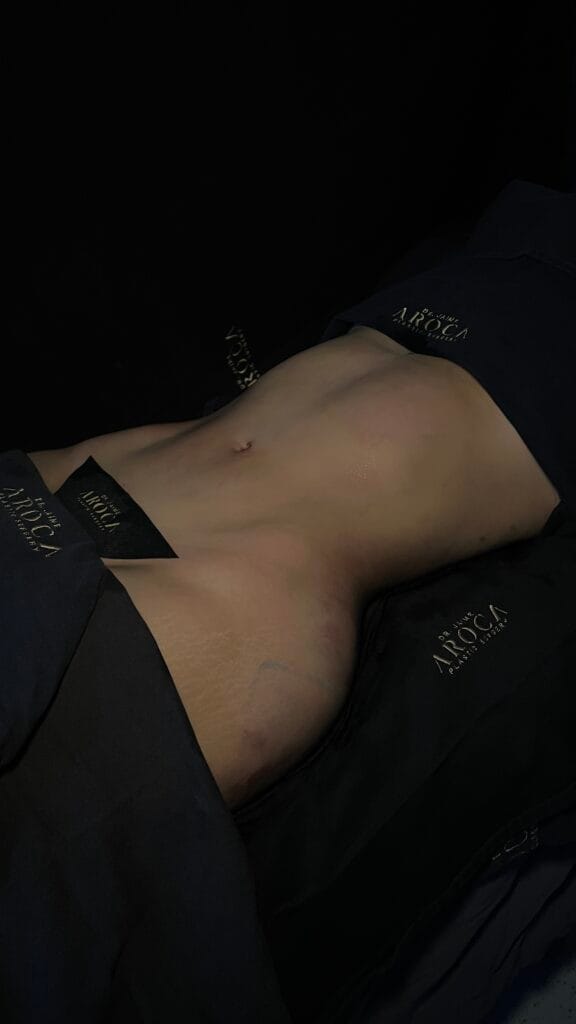
Not all postpartum patients need the same procedure. Candidacy and technique depend on individual evaluation: degree of diastasis, amount of excess skin, skin quality, presence of hernias, and fat distribution.
Full Tummy Tuck
It is the most common option for postpartum patients, especially after multiple pregnancies. It includes plication of the rectus abdominis, resection of all excess skin, navel reconstruction, and in my ArTummyTech technique, fat extraction with the AroTech platform, abdominal etching, and J-Plasma application for skin retraction are added. The incision is placed very low, in the bikini area, concealable with underwear or a swimsuit.
Mini Tummy Tuck
Indicated when excess skin and sagging are concentrated exclusively below the navel. It involves a shorter incision and does not require repositioning the navel. It is less invasive but also has a more limited scope. In postpartum patients with extended diastasis or excess skin across the entire abdomen, the mini tummy tuck is generally not sufficient.
Circumferential Tummy Tuck
It is used in cases where the excess skin covers not only the front abdomen but also the flanks and lower back. It is more common in patients who combined pregnancies with drastic weight changes or bariatric surgery. It addresses the full 360 degrees of the trunk. Results vary by case and require a detailed assessment to determine if this variant is appropriate.
Benefits of Tummy Tuck for Moms
Repair of Separated Abdominal Muscles
Rectus abdominis plication restores the containment function of the abdominal wall. This not only flattens the abdomen; it improves posture, reduces lower back pain associated with diastasis, and restores core stability. An experienced plastic surgeon evaluates the degree of separation and determines the tension needed to achieve a functional and aesthetic result.
Removal of Excess Skin and Stretch Marks
All sagging skin with stretch marks from the lower abdomen is surgically removed. It is important to be honest: stretch marks that remain above the resection line do not disappear, although they may improve with flap tension. The result depends on the amount and distribution of stretch marks in each patient.
Body Contour Improvement
The tummy tuck, combined with localized fat extraction, redefines the waist and restores trunk proportions. In my practice, abdominal etching is part of the procedure: it is not just about removing, but about sculpting.
Emotional Benefits: Regaining Your Confidence
A 2024 meta-analysis (Nasef et al.) reported a satisfaction rate of 96.2% among tummy tuck patients. Beyond the number, what I observe in consultation is that many moms regain a positive relationship with their body that they had lost. I will not sell you fantasies: surgery does not solve deep emotional problems. But when the problem is structural and the expectation is realistic, the impact on self-esteem is significant.
Tummy Tuck After C-Section: Special Considerations
Taking Advantage of the C-Section Scar
One of the advantages for patients with a previous C-section is that the existing scar is incorporated within the skin resection. That is: the C-section scar disappears along with the removed skin, and only the new tummy tuck incision remains, located in the low bikini area. The result is one clean scar instead of two.
Waiting Period and Prior Healing
It is essential that the C-section scar has fully matured before operating. This takes between 6 and 12 months. Intervening earlier can complicate blood supply to the abdominal flap and increase the risk of healing problems. Each case requires individual evaluation; scar thickness, the presence of adhesions, and the overall condition of the tissues determine the surgical plan.
Tummy Tuck Recovery: A Guide for Moms
Recovery is not optional or negotiable. And when you are a mom with young children, it requires serious planning.
The First Weeks: What to Expect and What to Avoid
The first 10 days are for rest. Only light walks inside the house, no lifting heavy objects, sudden movements, or abdominal exertion. The compression garment is worn for about 5 weeks. Starting from the third week, you can incorporate light activities. Moderate exercise resumes between the fourth and fifth week, and if diastasis repair was performed, intense abdominal exercise waits until 3 months. The final result is seen between 3 and 6 months, when swelling disappears completely.
When Can I Carry My Child?
This is the question that causes the most concern. During the first 2 to 3 weeks, you should not carry your children, especially if they weigh more than 3-4 kilos. The muscle plication needs time to consolidate. Forcing the abdominal wall too early can compromise the result and cause complications. After the third week, depending on your progress, activity is gradually increased.
How to Organize Your Home and Childcare
You need help. This is not a suggestion; it is a requirement. Coordinate with your partner, family, or a trusted person to cover childcare for at least the first two weeks. Prepare meals in advance, organize your space so everything is within reach without bending or stretching. You are not on vacation. You are in recovery.
Un Proceso Seguro de Inicio a Fin
“Cada cirugía comienza mucho antes del quirófano. Una preparación adecuada y una valoración rigurosa son la base de un resultado exitoso y seguro.”


Can It Be Combined with Other Procedures? The Mommy Makeover
Tummy Tuck + Liposculpture + Breast Surgery
Yes, and it is something I do frequently. The concept is called Art Total Shaping: it combines ArTummyTech with breast surgery (mastopexy, augmentation, or reduction) and gluteal fat transfer in a single surgical session. It is designed specifically for women whose bodies changed with motherhood and breastfeeding. I have operated on patients post-3 pregnancies with breast lift and reduction using their own tissue, plus umbilical hernia repair and diastasis correction, all in a single intervention.
The mommy makeover is not a generic package. Each combination is defined in the individual assessment based on what your body needs and what is safe to perform in a single session.
Advantages of Combining vs. Separate Surgeries
Combining procedures means one anesthesia, one recovery, and a comprehensive result. For a mom with limited time, this is practical and clinically viable when safety criteria are met. But not everything can or should be combined in every case. If surgical duration extends too long or there are risk factors, it is better to divide into stages. Safety always comes first.
If you are considering a tummy tuck after pregnancy, alone or combined, the first step is an individual assessment where I evaluate your case, your history, and your expectations. There we define together what is possible, what is safe, and what the right plan is for you.
Frequently Asked Questions About Tummy Tuck After Pregnancy
We answer the most common questions from our patients to help you make an informed and safe decision.