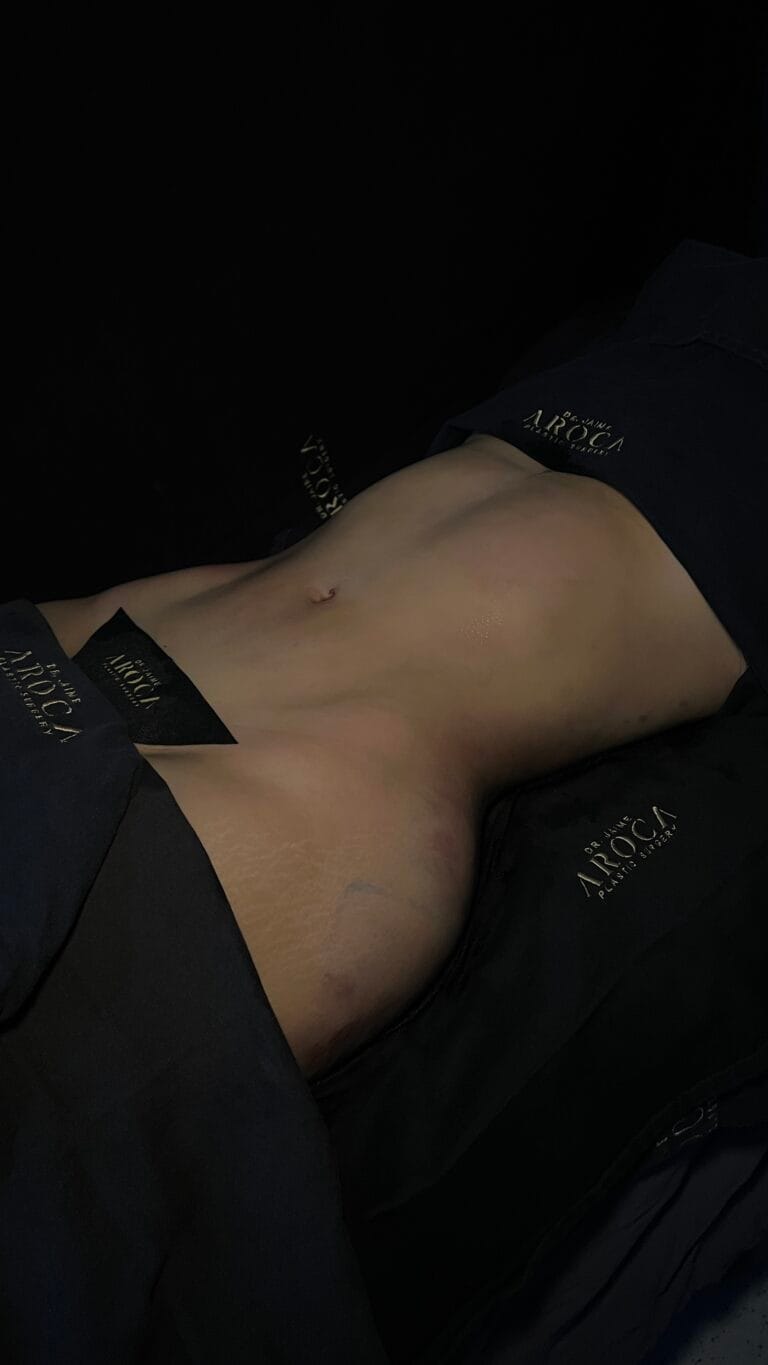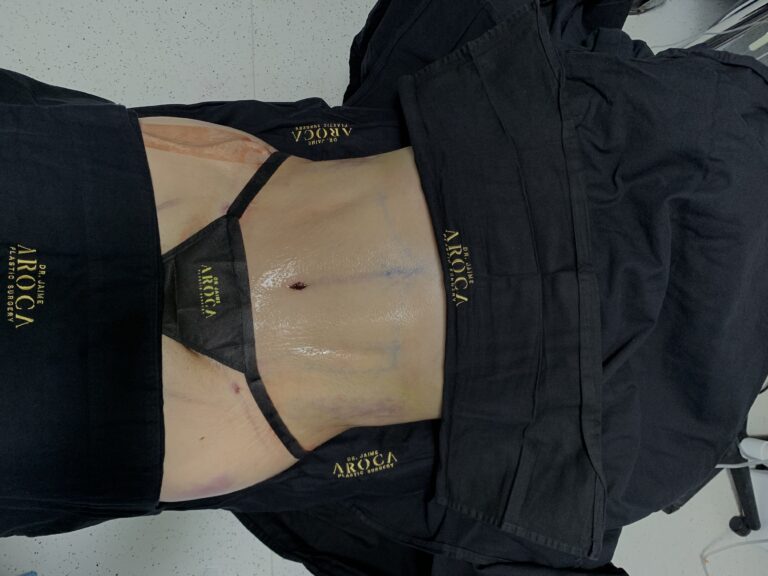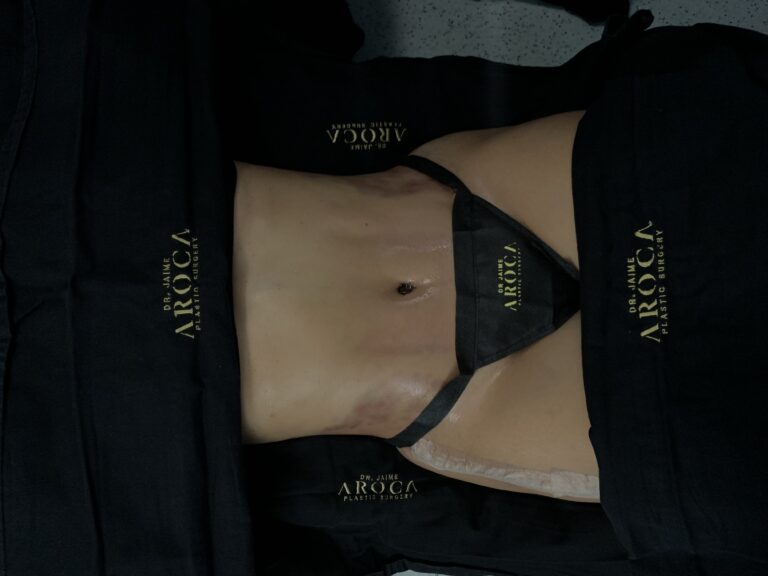

One of the questions I hear most often in consultations, and the one that generates the most anxiety, is: “Doctor, when will I be able to live normally?” It’s understandable. You’ve just made an important decision, you’ve gone through surgery, and now you want to know how long until you can walk without discomfort, handle your car, go back to work, or return to the gym.
The short answer: it depends. The honest answer: there is a general schedule that works for the majority of my patients, but each body has its own timing. What I can tell you is that respecting those timings makes the difference between an excellent result and an avoidable complication. In this article, I share the schedule I follow in my practice, activity by activity, so you have real clarity on what to expect.
Key Points
Recovery After Abdominoplasty: General Overview
What Happens to Your Body After Surgery
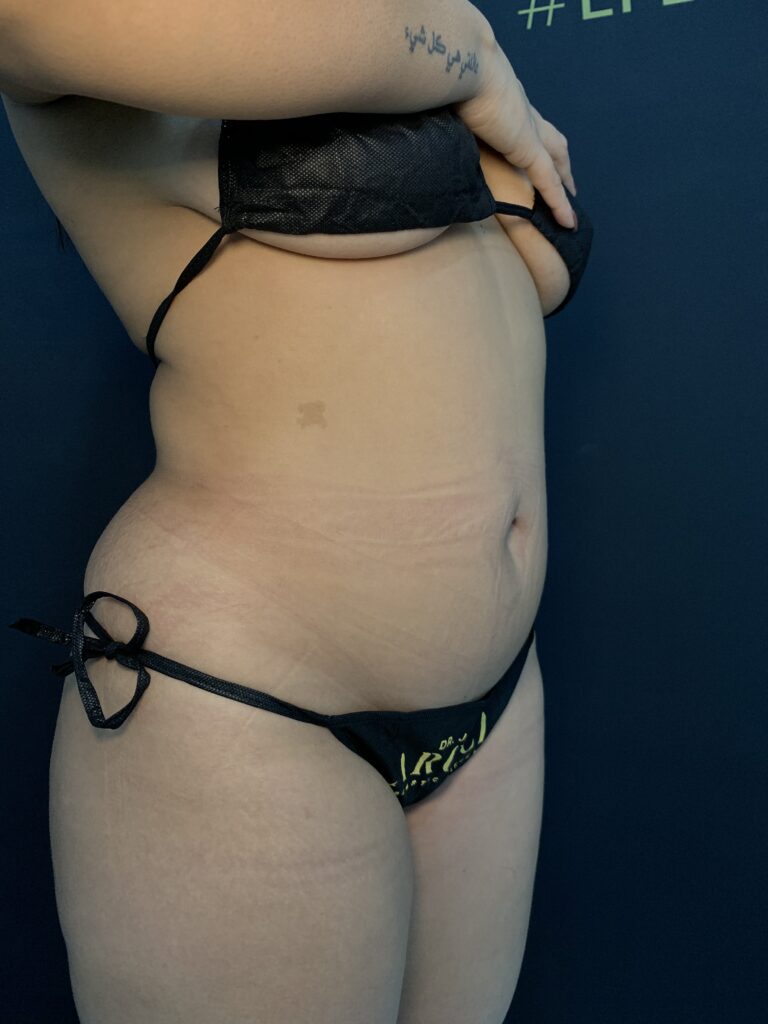
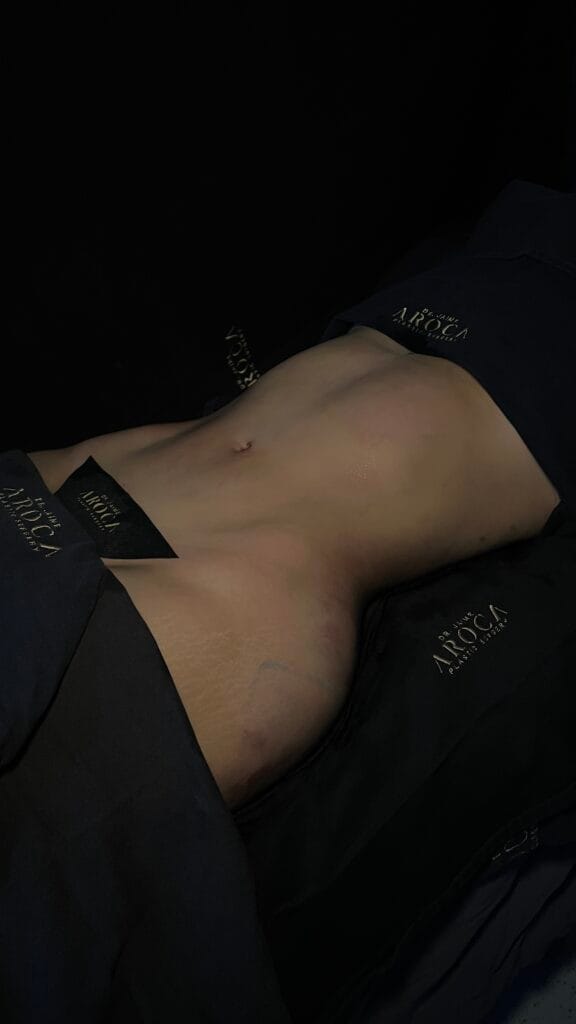
Abdominoplasty is not a superficial procedure. Depending on the technique — mini abdominoplasty, full abdominoplasty, or combined with liposuction — excess skin is removed, the navel is repositioned, and in many cases, abdominal diastasis is repaired (that separation of the rectus that remains after pregnancies or significant weight changes). All of this means there are deep sutures, tissues in the process of healing, and a muscle wall that needs time to consolidate.
In the first few days you’ll feel abdominal tension, inflammation, and discomfort. This is normal. Your body is working to repair everything that was intervened.
Why Respecting Recovery Times Is Essential
There are no shortcuts here. If you push yourself before the time is right — lifting weight, doing abdominals, driving when you still can’t brake with force — the risk is real: suture dehiscence, seroma, bleeding, or a recovery that takes twice as long. I’ve seen patients lose weeks of progress by not waiting three more days.
The schedule I use with my Art Tummy Tech technique covers a general recovery of 3 to 4 weeks for daily activities. But each activity has its own moment. Let’s go through them one by one.
When Can I Walk After Abdominoplasty
First 24–48 Hours: Short Walks with Assistance
Walking is the first thing I’m going to ask of you. Yes, from day one. We’re not talking about going out to the street — these are short walks inside your room, with assistance, every approximately 2 hours, for 10 to 15 minutes. The goal is clear: prevent deep vein thrombosis (DVT), improve circulation, and reactivate intestinal movement after anesthesia.
You’ll walk slightly bent forward. This is normal and expected.
Weeks 1–2: Gentle Walks as Your Best Exercise
During the first 10 days I recommend rest at home. Only gentle walks around your home, several times a day. In the second week you can increase them slightly: two daily walks of 10 to 15 minutes. Nothing more. This is your only exercise for now, and it’s the most important one.
Signs That You Are Walking Too Early or Too Much
Pay attention to these signs:
- Sudden increase in abdominal swelling
- Acute pain that does not respond to the indicated medication
- Redness or excessive heat in the abdominoplasty scar area
- Intense sensation of tightness in the sutures
If any of these appear, stop and consult. It’s always better to make one extra call than to deal with a complication.
Un Proceso Seguro de Inicio a Fin
“Cada cirugía comienza mucho antes del quirófano. Una preparación adecuada y una valoración rigurosa son la base de un resultado exitoso y seguro.”


When Can I Drive After Abdominoplasty
Factors That Determine When It’s Safe to Drive
Driving might seem like a minor activity, but it involves turning the torso, pressing the pedals with force, and reacting quickly to the unexpected. After abdominoplasty, all of this generates direct tension on the sutures and the repaired abdominal wall. In addition, if you’re taking prescription pain relievers (opioids), you must not drive under any circumstances.
Average Time to Return to Driving
For a mini abdominoplasty, the minimum is usually 2 weeks. For a full or extended abdominoplasty, especially if it includes diastasis repair, I recommend waiting between 3 and 5 weeks. The condition for returning to the wheel is simple: you must be able to brake with force without feeling pain or restriction. If you can’t, it’s not the right time.
When Can I Return to Work
Office Work vs. Physical Work
If your job is desk work, most of my patients can return between the second and third week. That said, with breaks to walk, without carrying anything heavy, and with the compression garment on.
If your work involves moderate physical activity — standing for many hours, walking constantly, carrying objects — the range is 4 to 6 weeks. And if your work is physically demanding (construction, floor nursing, manual load), not before 6 to 8 weeks.
Tips for Returning to Work Without Compromising Your Recovery
- Talk to your employer about the possibility of remote work for the first few weeks.
- Avoid sitting for more than one hour at a time: get up and walk for a few minutes.
- Do not lift objects weighing more than 5 kg until you have authorization from your surgeon.
- If upon returning to work you feel increased swelling or pain returns, that’s a sign you need more time. Listen to your body.
When Can I Exercise After Abdominoplasty?
This is the point where I insist the most on patience. From the third week you can resume light activities, but intense exercise doesn’t come into the picture until at least 6 weeks. And even then, it should be gradual.
Weeks 3–4: Light Activity and Longer Walks
Here you can start increasing the duration and pace of your walks. Some patients tolerate the stationary bike at very low resistance well. The abdomen should remain relaxed: no efforts that generate tension in the area.
Weeks 5–6: Moderate Exercise and Low-Impact Cardio
Elliptical, light cycling, walks at a moderate pace. Still nothing high-impact. No running, jumping, or lifting significant weights. If your surgery included combined procedures, such as a mommy makeover, this period may extend. Your prior physical condition also matters: patients who were active before surgery tend to recover faster.
Weeks 7–12: Progressive Return to the Gym
From week 7 you can begin incorporating higher-intensity exercises gradually. Light weights, machines at moderate resistance, cardio with a bit more demand. But direct abdominal exercises — crunches, planks, leg raises — are still off the table. The muscle repair needs more time.
After 3 Months: Full Training and Abdominal Exercises
From the 3-month mark, and with medical authorization, you can return to full training. This includes core and abdominal exercises. The recommendation in the literature is to wait a minimum of 8 to 12 weeks for direct abdominal exercises, and some surgeons prefer 12 weeks for cases with diastasis repair. High-impact exercise (running, jumping, CrossFit) falls into this same range.
Weight and Lifting Restrictions
How Much Weight Can I Carry and When
During the first 6 weeks, the limit is clear: do not lift more than 5 kilograms. This is non-negotiable. Lifting weight creates direct intra-abdominal pressure that can compromise the plication of the rectus muscles and the internal sutures.
After 6 weeks, weight can be progressively increased based on your evolution.
Carrying Children, Grocery Bags, and Household Activities
This is a constant question, especially in post-partum patients. If you have young children, you need to plan for help during the first few weeks. You cannot carry your child, and this must be accepted before surgery.
The same applies to grocery bags, vacuuming, sweeping with force, or moving furniture. Any household activity that involves abdominal effort should wait. Organize your environment before your surgery: it is a fundamental part of the preparation.
Other Activities: Swimming, Traveling, and Sexual Life
When Can I Swim or Go to the Beach?
Not until the abdominoplasty scar is completely closed and free of scabs, which usually occurs between 4 and 6 weeks. Pool or ocean water can introduce bacteria and compromise healing. In addition, direct sun exposure on a fresh scar can permanently darken it.
When Can I Travel by Plane?
For my international patients, this point is key. I generally authorize flights from 10 to 14 days postoperatively, as long as the evolution is favorable. During the flight it is important to wear a compression garment, get up and walk around every hour and stay hydrated. In my practice I coordinate telemedicine follow-up for patients traveling from abroad.
When Can I Resume Sexual Activity?
The general recommendation is to wait between 3 and 4 weeks. Sexual activity involves abdominal effort, positions that generate tension, and risk of impact on the operated area. Don’t rush. And if in doubt, ask.
Exercises You Should Avoid and Why
Contraindicated Movements in the First Weeks
- Direct abdominal exercises (crunches, sit-ups, planks): generate direct pressure on the muscle repair.
- Overhead weight lifting: increases intra-abdominal pressure.
- High-impact exercises (running, jump rope, burpees): the rebound generates traction on sutures and healing tissues.
- Deep trunk stretches: hyperextension or excessive rotation of the abdomen.
- Swimming: until the wound is completely closed.
How to Know If You Are Overdoing It
Your body sends clear signals. Pain that increases after an activity (and doesn’t subside with rest), swelling that returns when it had already gone down, a “pulling” sensation along the suture line, or any unusual discharge from the wound. If any of this occurs, stop the activity and contact your surgeon.
It is not about being afraid of movement. It is about respecting a sequence that has clinical logic. Procedures such as full body surgery require the same level of discipline in the postoperative period as the previous preparation.
¿Vienes del Exterior? Te Acompañamos en Todo
Ofrecemos paquetes de turismo médico con acompañamiento completo: consulta virtual, cirugía en clínica certificada y seguimiento a distancia después de tu regreso a casa.
How Exercise Helps Maintain Long-Term Results
Maintenance Routine After Full Recovery
Once you receive full clearance, generally around the 3-month mark, exercise goes from being a restriction to being your best ally. A routine that combines moderate cardio (3–4 times per week) with strength training and core work helps maintain the contour definition, the firmness of the abdominal wall, and prevent new fat accumulation.
You don’t need an extreme plan. What you need is consistency.
Nutrition and Habits That Complement Exercise
The result of an abdominoplasty is not permanent without lifestyle changes. A balanced diet, adequate hydration, avoiding tobacco, and maintaining a stable weight are part of the commitment. Surgery restores: you maintain.
Cada caso es distinto y los tiempos pueden variar según la extensión de la cirugía, si hubo reparación de diástasis, procedimientos combinados o tu condición física previa. Por eso siempre insisto en que la valoración individual es donde se define el plan real, con tiempos, expectativas y un cronograma adaptado a tu cuerpo.
Frequently Asked Questions
We address the most common questions from our patients to help you make an informed and safe decision.