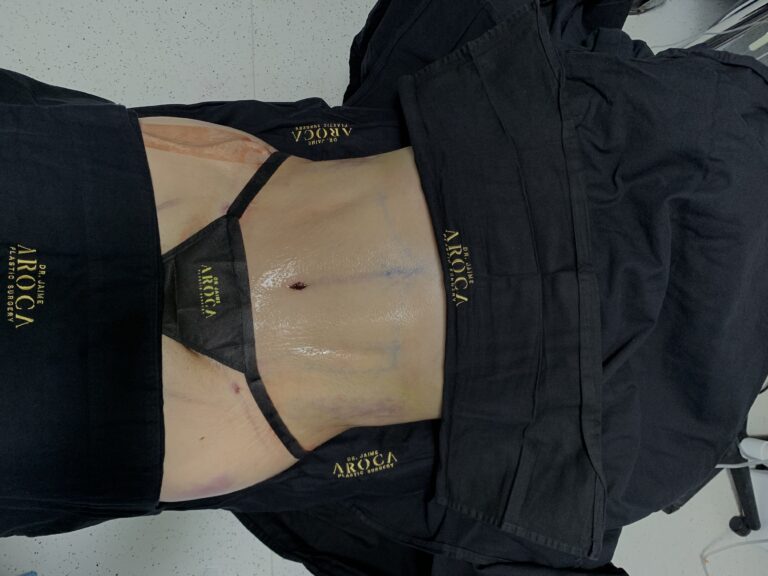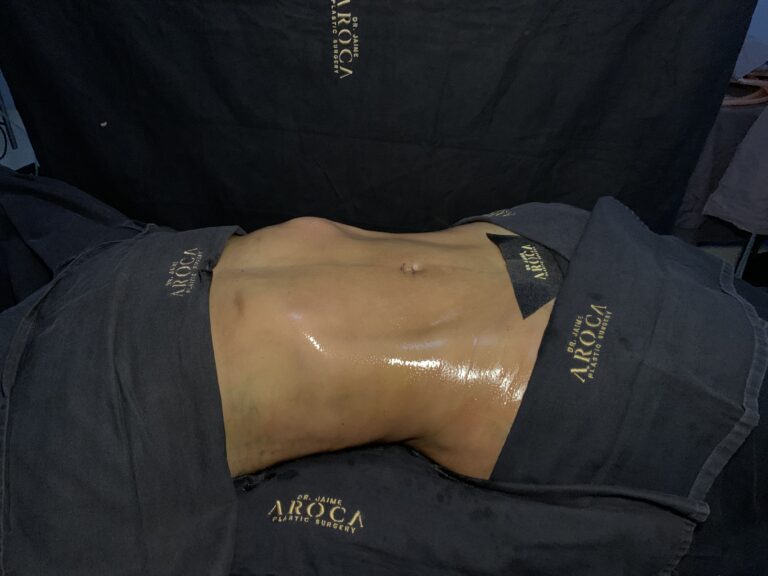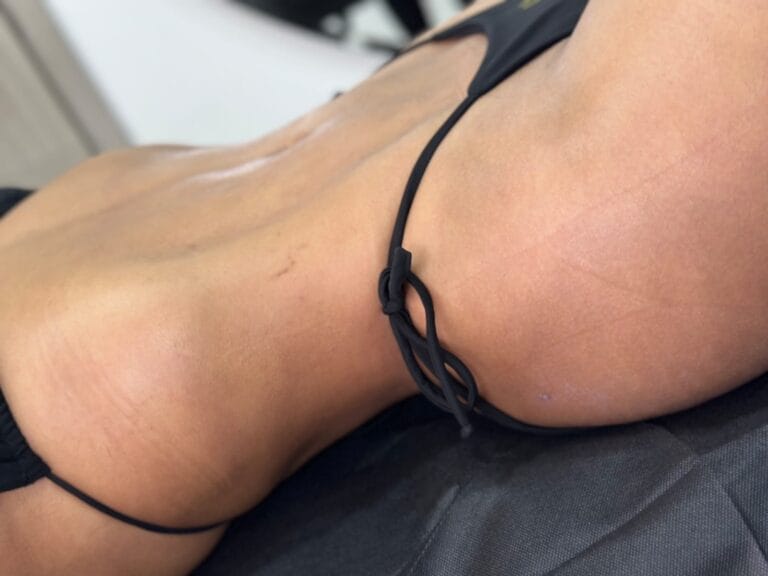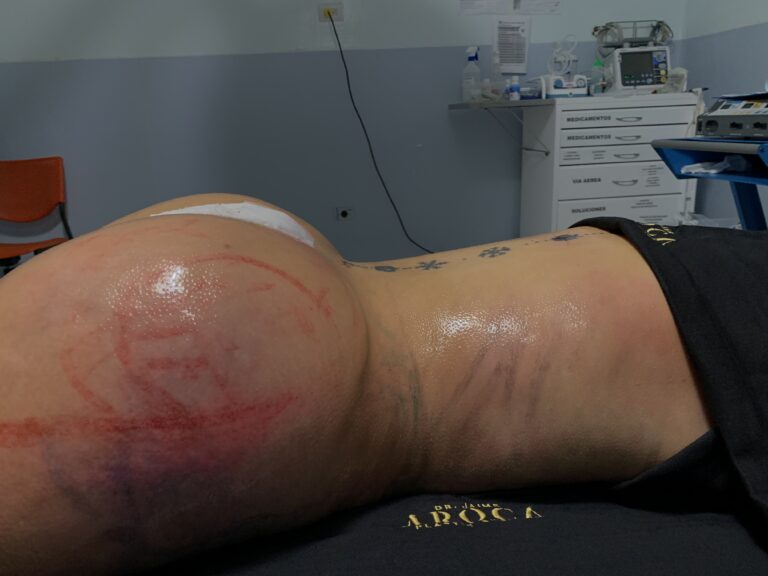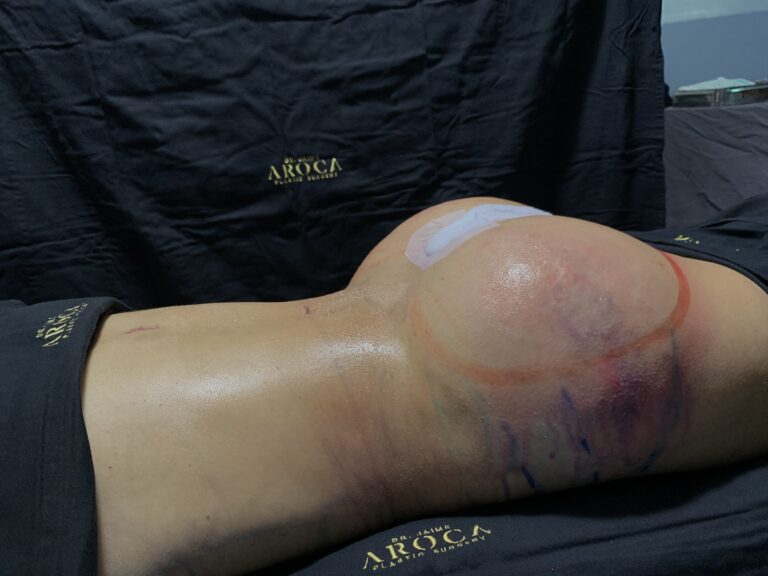

If you had or are considering an abdominoplasty, there is something you need to understand now: swelling after surgery is not a complication. It is your body’s natural response to the repair process. And yes, it can be uncomfortable, disconcerting, and even frustrating when you look in the mirror a few days later and don’t see what you expected. But it is part of the process.
In my practice, one of the most common questions I hear is: “How long will this swelling last?” The short answer: it depends. The complete answer is what I am going to explain in this article, phase by phase, with the specific care I recommend and the mistakes you should avoid so you don’t prolong what your body is already trying to resolve on its own.
Key Points
Swelling After Abdominoplasty and Why It Occurs
Swelling as a Natural Part of the Healing Process
When I perform an abdominoplasty, the work involves removing excess skin, tightening the abdominal wall, and in many cases, repairing the abdominal diastasis — that separation of the rectus abdominis muscles that is so common after pregnancies or significant weight changes. All of this generates controlled trauma in the tissues.
Your body responds to this trauma with an inflammatory response. It sends fluids, repair cells, and nutrients to the intervened area. It is a protection and reconstruction mechanism. The swelling you see and feel is nothing other than your body working to heal.
What I need you to be clear about: not everything is immediate. Final results are seen when the swelling has completely disappeared and the tissues adjust to their new position. And that takes months, not days.
Factors that influence the degree of swelling
Not all patients swell the same. There are specific variables that influence:
- Extent of surgery: a mini abdominoplasty generates less swelling than a full abdominoplasty with abdominal diastasis repair.
- Complementary liposuction: when I combine abdominoplasty with liposculpture, for example in a mommy makeover, additional edema is added from the work on fatty tissue.
- Previous physical condition: patients with better general health and stable weight tend to de-swell more quickly.
- Postoperative discipline: following compression, rest, and nutrition guidelines makes a real difference in how the swelling evolves.
Every case is different. That is why I insist so much on individual assessment before surgery: I need to know your anatomy, your clinical history, and your expectations to anticipate how your recovery will be.
Week-by-Week Evolution of Swelling
Weeks 1-2: Acute Inflammation Phase
The first few days are the most intense. Swelling reaches its peak around days 3 to 5. It is completely normal to feel discomfort, tension in the abdominal area, and to see a volume that you did not expect. The abdomen may look more swollen than before surgery, and this causes anxiety in many patients.
During this phase, I prescribe absolute rest at home for the first 10 days, with light walks to promote circulation. No physical effort, sudden movements, or lifting heavy objects.
Weeks 3-6: Progressive Reduction
From the third week on, swelling begins to subside visibly. Bruising, if any, is resolving. Tension in the abdomen decreases and you begin to notice real changes in contour.
From the third week on, I typically authorize light activities without excessive effort. By the sixth week, if the recovery is favorable, you can gradually resume exercise. But every authorization depends on your particular recovery, not a fixed calendar.
Months 2-6: Residual Swelling and Gradual Results
Between the second and sixth month, most of the swelling resolves. The skin adheres better to the underlying tissues. You will notice that the abdomen is defining itself, the abdominoplasty scar is maturing, and the contour is refining.
This is the stage where patience becomes your best ally. The body is changing gradually, and each week it looks a little more like the result we are seeking.
When the Final Result Is Visible
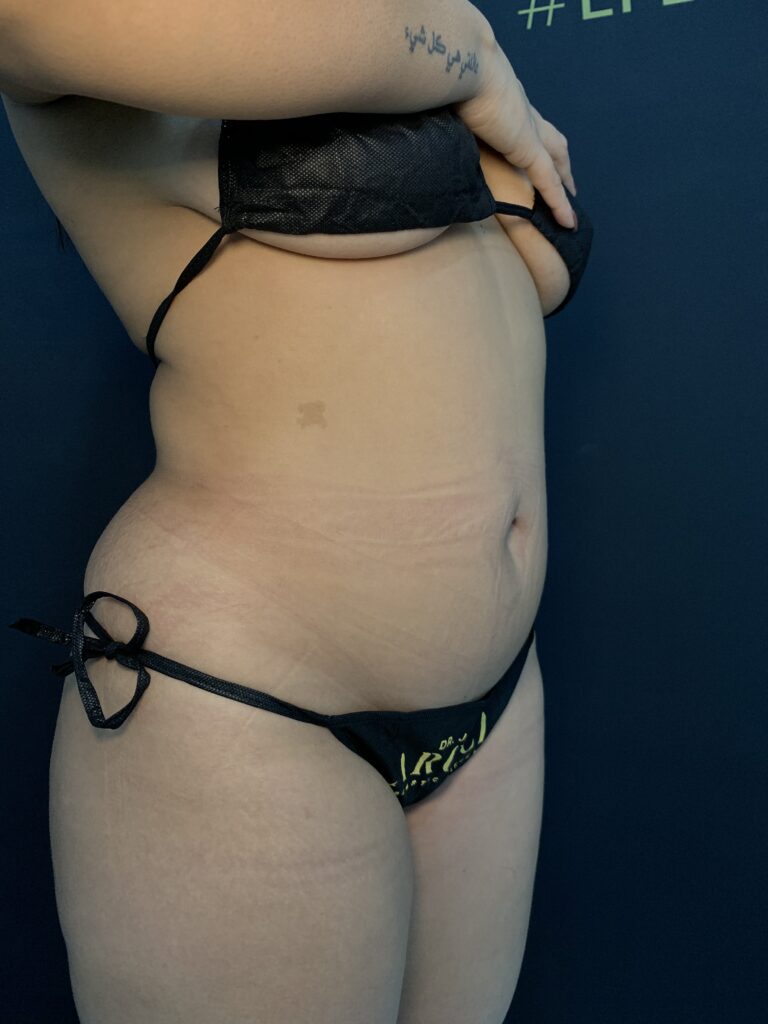
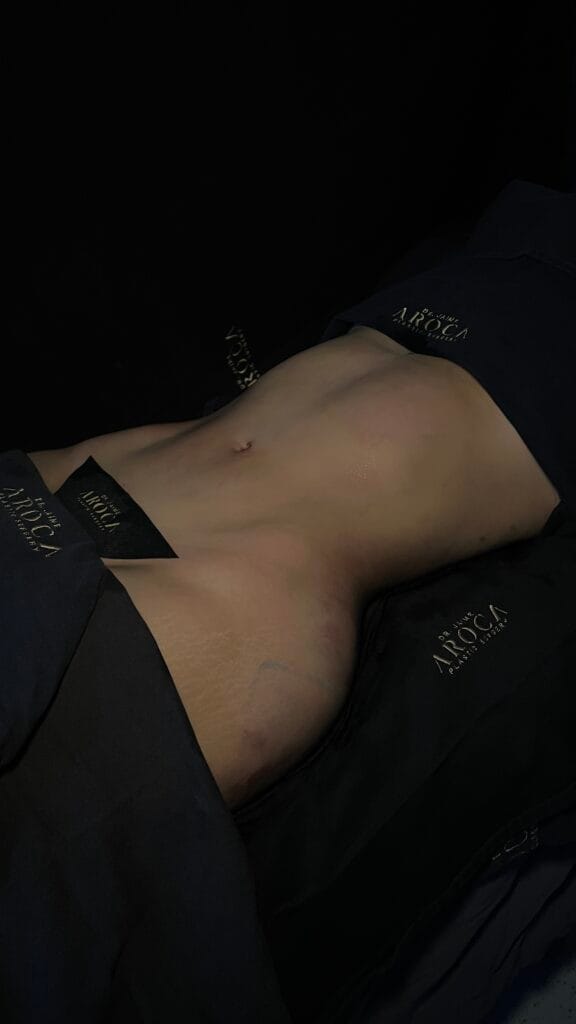
In most cases, final results are appreciated between 3 and 6 months. However, residual swelling can take up to 12 months to completely disappear. In some cases, complete resolution can take even up to 18 months, especially when abdominoplasty was combined with liposuction or abdominal diastasis repair.
I repeat: do not judge your result in the first weeks. It is too soon.
A Safe Process from Start to Finish
“Every surgery begins long before the operating room. Proper preparation and a rigorous assessment are the foundation of a successful and safe result.”


How to Reduce Swelling After Abdominoplasty
Correct Use of the Compression Garment
The compression garment is not an optional accessory. It serves specific functions: it limits fluid accumulation, supports the tissues in their new position, and mechanically reduces swelling. I generally prescribe its use during the first weeks of recovery, with a protocol that I adjust according to each patient’s evolution.
A common mistake: wearing a garment that is too tight, thinking it will help you de-swell faster. This can generate the opposite effect by compromising circulation. Compression should be firm but comfortable.
Hydration and Anti-Inflammatory Nutrition
Drinking enough water is essential. It may seem contradictory — “if I’m swollen, more fluids?” — but good hydration helps your body eliminate the excess fluids accumulated in the tissues.
As for nutrition, a balanced diet low in sodium helps reduce fluid retention. Fruits, vegetables, lean proteins. Nothing sophisticated, but consistent.
Lymphatic Drainage and Postoperative Massage
During surgery, part of the lymphatic system in the abdominal area is interrupted. This means your body takes longer to eliminate accumulated fluid. Postoperative recovery therapies, including manual lymphatic drainage, help accelerate this process.
At my aesthetic center, cosmetologist Edith applies therapies with Tensamax, a monopolar radiofrequency device with a ceramic resistive tip that penetrates deeply. This not only helps reduce the inflammatory response, but also stimulates collagen production and improves tissue vascularity. Skin stimulation and regeneration therapies are a fundamental part of postoperative care.
Attend each session with discipline and punctuality. They are not optional.
Rest and Proper Sleeping Position
Sleeping semi-reclined, with the torso elevated between 30 and 45 degrees, using pillows under the back and knees, helps reduce swelling by gravity and decreases tension on the abdominal suture.
This position is recommended during the first 2 to 3 weeks. I know it is not the most comfortable in the world, but the difference in the evolution of swelling is notable.
What to Avoid So as Not to Worsen Swelling
Foods and Habits That Increase Fluid Retention
- Excess sodium: processed foods, deli meats, commercial sauces, salty snacks. All of this promotes fluid retention and worsens swelling.
- Alcohol: it interferes with healing and promotes systemic inflammation.
- Tobacco: it compromises the blood supply to tissues. In my practice, I do not operate on anyone who smokes and ask that smoking cessation be maintained throughout recovery.
- Self-medication: anti-inflammatories or supplements without authorization from the treating surgeon can interfere with coagulation or the healing process.
Common Mistakes That Delay Recovery
One of the most common mistakes is returning to activities too soon. Feeling “fine” at two weeks does not mean your tissues are ready. Premature exertion can reactivate inflammation or cause fluid buildup.
Another mistake is exposing scars to the sun. UV radiation negatively affects scar maturation and can permanently darken it. In procedures that also address the abdominal wall, such as abdominal definition with liposuction, skin care is just as important.
And one more: stopping recovery therapies before completing the protocol. Every session matters.
Several factors influence: the extent of surgery (abdominoplasty vs mini abdominoplasty), whether it was combined with liposuction, whether there was abdominal diastasis repair, the patient’s genetics, previous health status, and how strictly they follow the recovery protocol. Two people can have surgery on the same day, with the same technique, and have different evolutions. That is the natural variability of the human body.
Conclusión
Inflammation after a tummy tuck is not your enemy. It is a sign that your body is doing exactly what it needs to do: repair, adapt, and rebuild. The process has its own timeline, which cannot be rushed, but it can be optimized with discipline, proper therapies, and consistent professional follow-up.
If you are considering this procedure, or if you have already had surgery and are concerned about swelling, the most important thing is to have real medical guidance. An individual consultation makes it possible to anticipate what your recovery will be like, tailor the plan to your case, and answer the questions that online searches cannot resolve.
You can schedule your consultation with me so we can evaluate your case, your expectations, and the plan that best fits you.
Coming from Abroad? We Accompany You Throughout
We offer medical tourism packages with full support: virtual consultation, surgery in an accredited clinic, and remote follow-up after your return home.
Frequently Asked Questions About Post-Tummy Tuck Swelling
We address the most common questions from our patients to help you make an informed and safe decision.