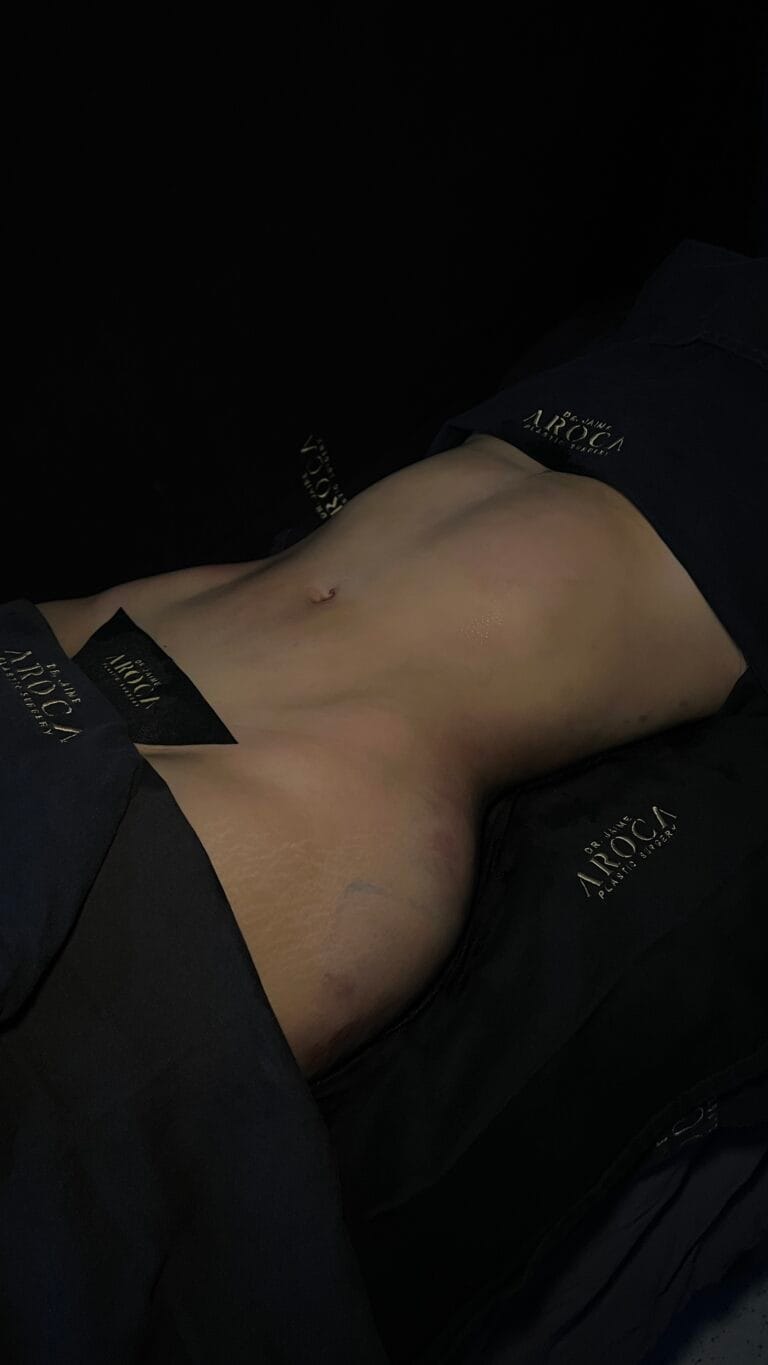

If you are researching options to improve the shape of your buttocks, gluteal fat transfer (BBL) has likely come up again and again in your search. And that is no coincidence: in the United States alone, nearly 29,500 procedures of this type are performed every year, according to ASPS data. But with so much information, and misinformation, on social media, it is worth understanding clearly what this procedure really is, how it works, what results you can expect, and above all, when it makes sense and when it does not.
In my practice, gluteal fat transfer is much more than “putting fat in the buttocks.” It is an opportunity to redefine the entire silhouette: reduce the waist, clear the lower back, and achieve a natural hip projection. In this article, I explain everything you need to know before making an informed decision.
Key Takeaways
What Is Gluteal Fat Transfer
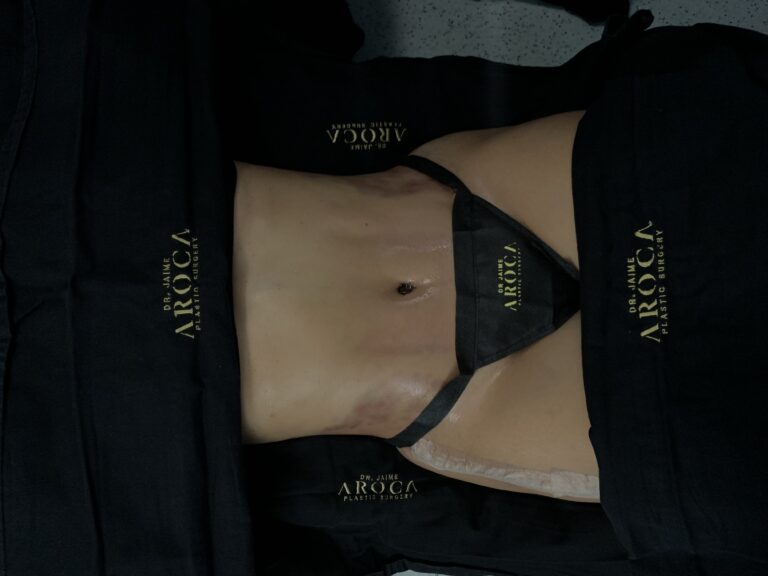
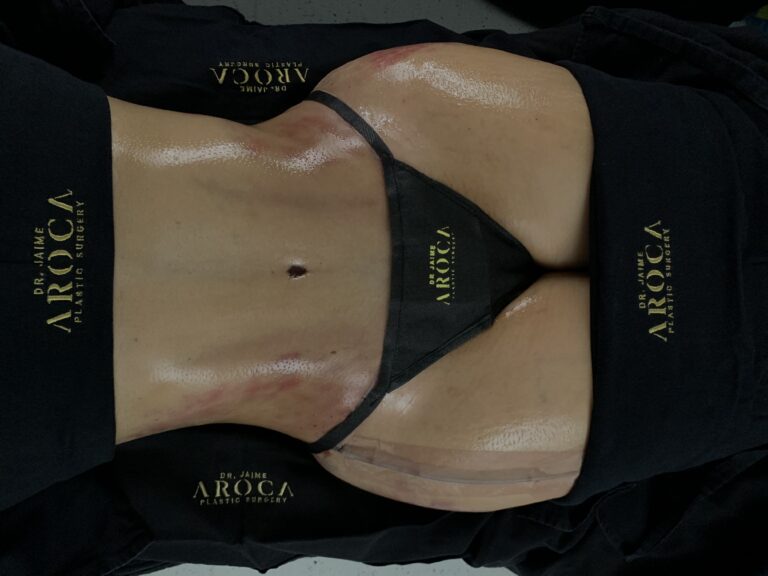
Gluteal fat transfer, popularly known as Brazilian Butt Lift or BBL, is a surgical procedure that combines two steps in a single surgery: first, fat is extracted from areas where there is excess (abdomen, flanks, lower back, thighs) through liposuction, and then that fat, already purified, is strategically injected into the buttocks to increase volume, improve shape, and enhance projection.
It is not a “lift” in the traditional sense. There is no skin traction or extensive scarring in the buttock area. What it does is reshape using your own adipose tissue, autologous fat, which significantly reduces the risk of rejection.
This technique has over 30 years of documented evolution. A review article published by Toledo (2015) describes how the technique has matured since 1985, incorporating advances such as therapies based on stem cells derived from adipose tissue to improve graft survival. Today, 79.89% of board-certified plastic surgeons consider fat transfer the best gluteal augmentation technique over implants.
Gluteal Fat Transfer vs. Buttock Implants: Key Differences
This is one of the most common questions I receive in consultation: fat or implants? The short answer is that, in the vast majority of cases, autologous fat offers clear advantages.
A systematic review published in 2023 (Oregi et al.) directly compared both options in over 2,300 patients and found that fat transfer has a complication rate of 13%, compared to 25% with implants. Additionally, fat transfer allows sculpting not only the buttocks but also the donor areas, waist, back, abdomen, achieving comprehensive body contouring that implants simply cannot offer.
Implants have their place in very specific cases: extremely thin patients without sufficient donor fat, for example. But for most candidates, using your own fat delivers more natural-feeling results, with a lower risk of complications such as capsular contracture or implant displacement.
Benefits of Gluteal Fat Transfer
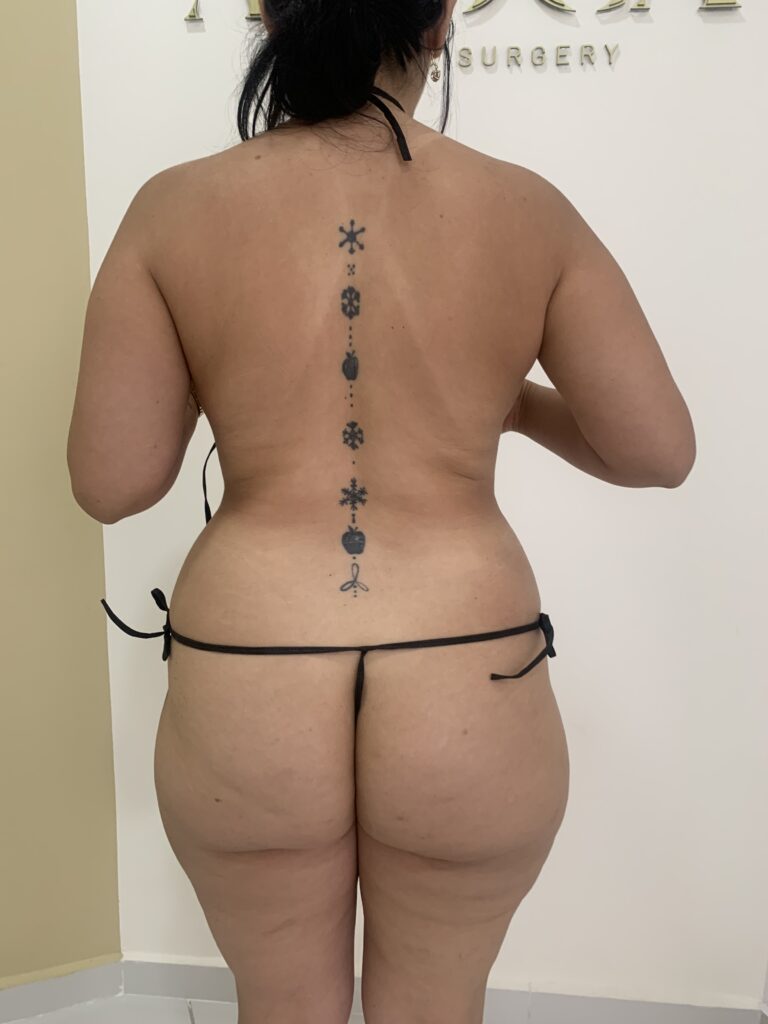
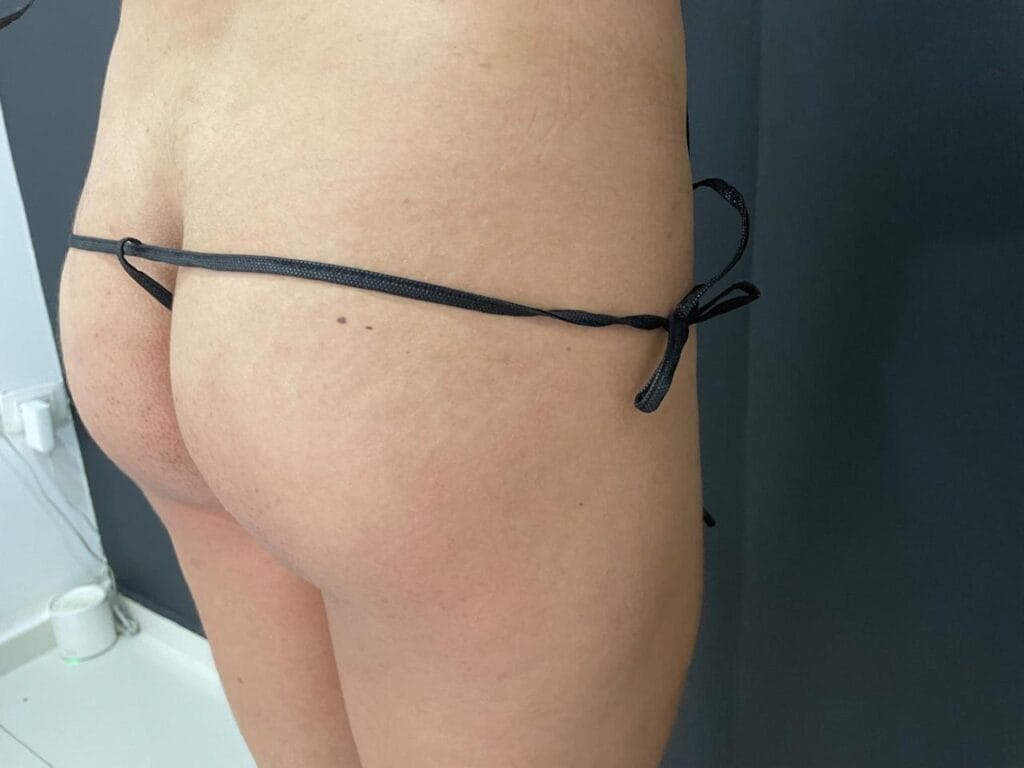
The most obvious benefit is the increase in buttock volume. But if you ask me what truly transforms a patient, I would say it is the comprehensive change in silhouette. In my practice, the main goal is to achieve a clear differentiation between the back and the buttocks, that evident “break” that marks where one area ends and the other begins.
These are the benefits I highlight most frequently:
- Dual aesthetic benefit: volume is reduced where there is excess and added where it is lacking. The waist is refined, the lower back is cleared, and the buttocks gain projection.
- Natural results: by using your own fat, the texture and movement are natural. There is no risk of rejection from foreign material.
- Projection and lift: rather than simply adding size, I aim for elevation of the gluteal region and a pronounced hip projection, balanced with waist reduction.
- High satisfaction: a retrospective study with over 3,000 patients (Guzey & Ergan Sahin, 2024) reports 86% satisfaction. And a meta-analysis with 4,105 patients confirms that most patients rate their results as “excellent.”
- Lower complication rate compared to buttock implants.
Ready to Transform Your Silhouette with Natural, Long-Lasting Results?
Gluteal fat transfer uses your own fat to redefine curves, refine the waist, and project the buttocks naturally. No implants, no risk of rejection, with results that can last over a decade when a stable weight is maintained.
Who Are Ideal Candidates and Who Are Not
Not all patients are candidates for gluteal fat transfer. And saying this is not being restrictive, it is being honest.
Ideal candidates typically have these characteristics:
- Sufficient localized fat in the lower back, waist, abdomen, or thighs for extraction.
- Flat or poorly defined buttock area, without clear differentiation between back and buttocks.
- Stable weight and a BMI ideally between 24 and 30, according to the American Board of Cosmetic Surgery criteria.
- Good overall health, without conditions that increase surgical risk.
- Realistic expectations: understanding that the procedure improves shape and projection but does not guarantee results identical to another person.
Who are not candidates? Active smokers, I do not operate on anyone who smokes, without exceptions, people with morbid obesity who need to stabilize their weight first, or those with uncontrolled medical conditions.
And there is a case that deserves special mention: very thin patients. If there is not enough donor fat, the volume that can be transferred is limited. In these cases, an individual assessment is essential to determine whether the procedure makes sense or if there are better alternatives.
How the Procedure Is Performed Step by Step
Understanding the complete process helps you arrive at consultation with better questions and clearer expectations.
Fat Extraction and Purification
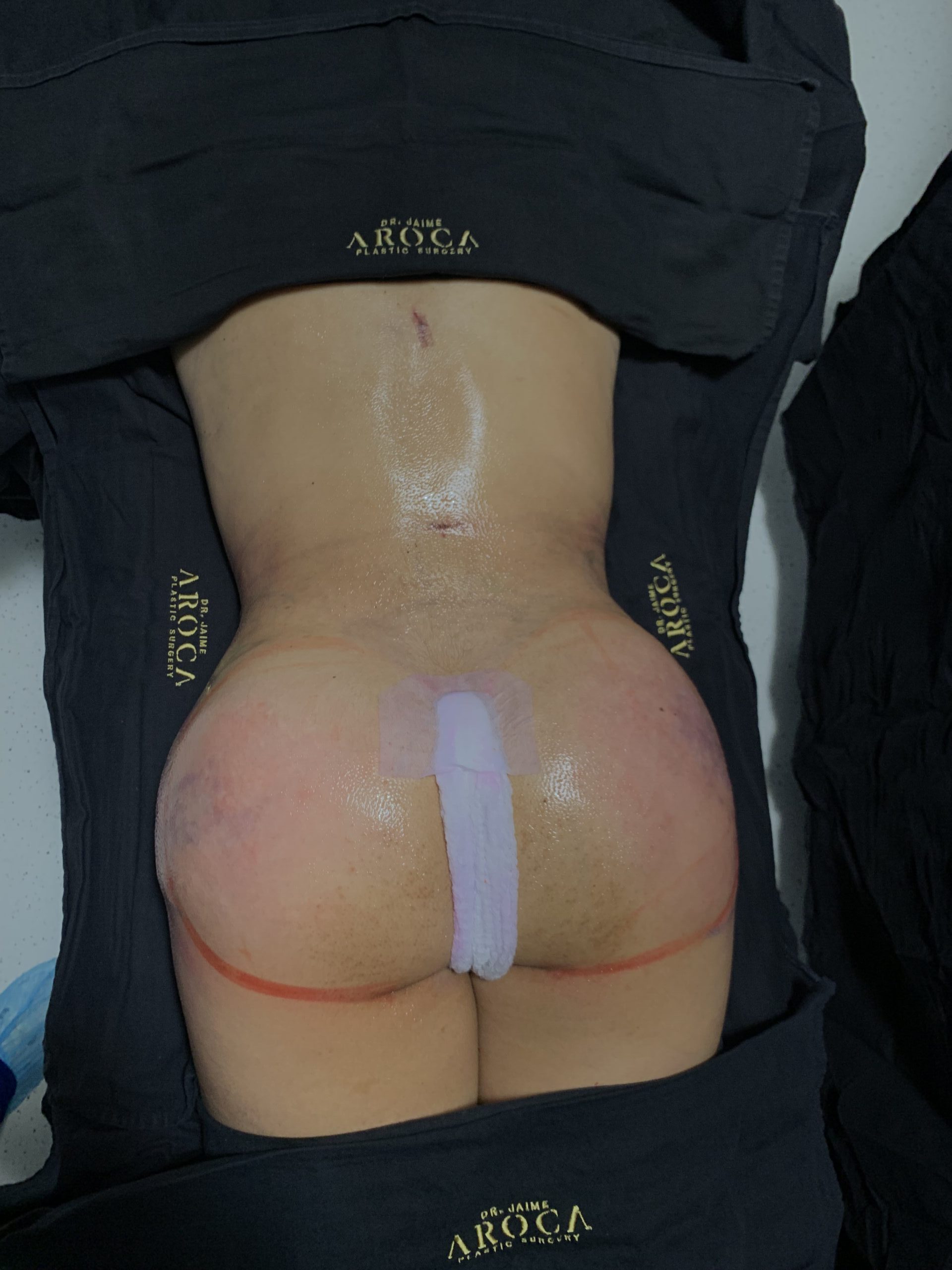
In my practice, the procedure always begins with the extraction of localized fat through lipolysis or vibro-lipolysis. The main areas are the mid and lower back, waist, and flanks. This step already produces a visible change: by simply clearing these areas, the waist curve begins to take shape.
The extracted fat undergoes a purification process to remove blood, oil, and non-viable tissue. The goal is to isolate healthy adipocytes, the fat cells most likely to survive after transfer. The consensus among board-certified plastic surgeons includes standardized techniques such as decanting and the use of specific cannulas to optimize graft quality.
Strategic Injection into the Buttocks
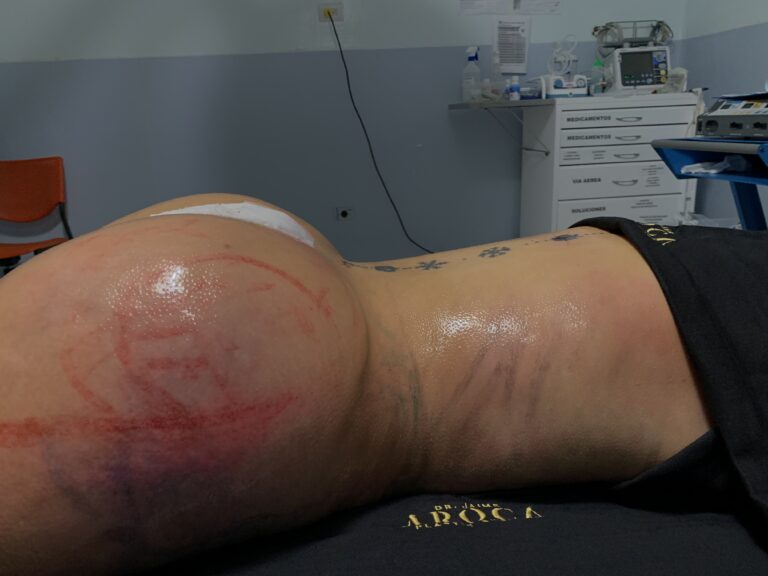
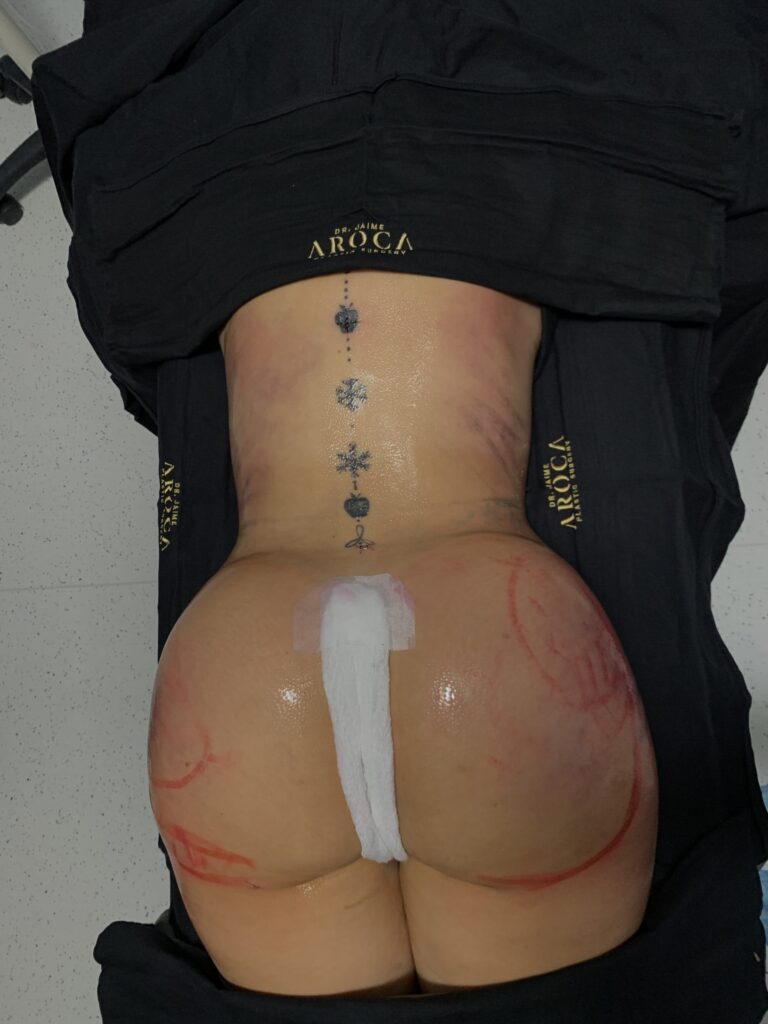
This is where technique makes the difference. I perform fat transfer in the lateral, upper, and mid gluteal region to achieve marked definition and immediate projection of the hip area. It is not about injecting fat randomly: it is precision work where every cubic centimeter is deposited with intention.
The current standard, established by the ASPS and the Multi-Society Gluteal Fat Grafting Task Force, is that all fat must be injected exclusively in the subcutaneous plane, using blunt-tip cannulas. This is critical for safety, as it drastically reduces the risk of fat embolism. A study with 1,815 patients using ultrasound guidance reported zero fat embolism events and zero mortality, with an overall complication rate of only 4%.
The typical volume ranges between 300 and 500 ml per buttock, although this varies depending on each patient’s anatomy and the amount of available donor fat.
Recovery and Postoperative Care
I always say this and never tire of repeating it: you are not on vacation. You are in recovery.
The first few days are the most important. The compression garment is mandatory, 24/7, without exceptions, for the weeks indicated by your surgeon. It helps reduce inflammation, promotes skin retraction, and protects the treated areas.
How to sit after a BBL? This is one of the most common concerns. During the first 2 to 3 weeks, you should avoid sitting directly on your buttocks. When unavoidable, use a BBL pillow, a special cushion that redistributes pressure to the thighs and protects the transferred fat. This is not a whim: direct pressure can compromise the survival of newly grafted adipocytes.
Returning to work is usually possible between 10 and 14 days, as long as it does not involve intense physical effort. Full recovery takes between 2 and 3 months. Final results are appreciated once the swelling subsides completely and the fat integrates with the tissue.
Postoperative follow-up is key. Every patient is different, and check-ups allow adjustments to instructions based on actual progress, not a generic protocol.
How Long Results Last and What Factors Affect Them
One of the questions I hear most often: is it permanent?
The short answer: the results are semi-permanent and can last for years, even over a decade, when a stable weight is maintained. The fat that survives the integration process behaves like your own tissue and remains indefinitely.
How much fat survives? In well-executed procedures, between 60% and 80% of the transferred fat is maintained long-term. A prospective study (Cansancao et al., 2019) measured an immediate increase of 56.51% in gluteal subcutaneous thickness, with a decrease of only 18.16% at 12 months. In other words, most of what is injected stays.
The factors that most affect retention are:
- Weight fluctuations: if you gain or lose weight significantly, the transferred fat changes proportionally.
- Surgical technique: proper purification and injection in the correct plane determine how many adipocytes survive.
- Postoperative care: following compression instructions, sitting position, and physical activity guidelines directly influences the final result.
Coming from Abroad? We Support You Every Step of the Way
We offer medical tourism packages with comprehensive support: virtual consultation, surgery at a certified clinic, and remote follow-up after you return home.
Risks and How to Minimize Them with a Qualified Team
I am not going to sell you fantasies. Like any surgical procedure, gluteal fat transfer carries risks. What matters is knowing them, understanding them, and knowing how to minimize them.
The risks include:
- Partial fat reabsorption: it is normal to lose between 20% and 40% of the injected volume.
- Infection: rare with proper aseptic protocols.
- Asymmetries: may require minor touch-ups.
- Fat embolism: the most serious risk, but one that has been drastically reduced with current standards of exclusive subcutaneous injection.
How are they minimized? With a qualified team. 94% of surgeons surveyed in a 2020 study already adopt the safety recommendations of ASERF, ASAPS, and ISAPS. This includes exclusively subcutaneous injection, blunt-tip cannulas, and increasingly, the use of ultrasound guidance for real-time visualization.
In Colombia, verify that your surgeon is certified by the Colombian Society of Plastic Surgery (SCCP) and that the clinic is licensed by the Ministry of Health. This is non-negotiable.
To learn more about how I approach this procedure within a comprehensive plan for silhouette redefinition and gluteal projection, I invite you to review the detailed information on my site.
The Price: How Much Does Gluteal Fat Transfer Cost?
I receive this question almost daily. And the honest answer is: it depends.
The cost of gluteal fat transfer varies depending on several factors: the number of donor areas to treat, the volume to transfer, the type of anesthesia, the surgical team’s fees, the clinic, and the postoperative care included.
In Colombia, costs are typically significantly lower than in the United States or Europe, without implying lower quality. Colombian medical infrastructure, licensed clinics, and SCCP-certified surgeons offer standards comparable to any international reference center.
But be careful: the lowest price is not always the safest. If a deal seems too good to be true, it probably is. Safety, the surgeon’s experience, and the quality of care should weigh more than the number on the quote.
My recommendation: do not make a decision based on price. Make it based on medical criteria, certifications, and a personalized plan defined through an in-person assessment with a team specialized in body contouring.
Conclusion
Gluteal fat transfer is a procedure with over three decades of evolution, backed by solid evidence and satisfaction rates exceeding 86% in large studies. But it is not for everyone, nor do all surgeons perform it with the same standards.
What defines a good result is not just the technique, it is the honest evaluation of your anatomy, the careful selection of candidates, respect for safety standards, and rigorous follow-up. If you are considering this procedure, come to your consultation with questions, with realistic expectations, and with the certainty that individual assessment is the step where everything becomes clear.
Frequently Asked Questions About Gluteal Fat Transfer
We address our patients’ most common questions to help you make an informed and safe decision.